Ginza
Tokyo's luxury core. Department-store food halls that outclass most restaurants, the best sushi counters in the country, and quiet at night when the shops close. Refined, central, and expensive.

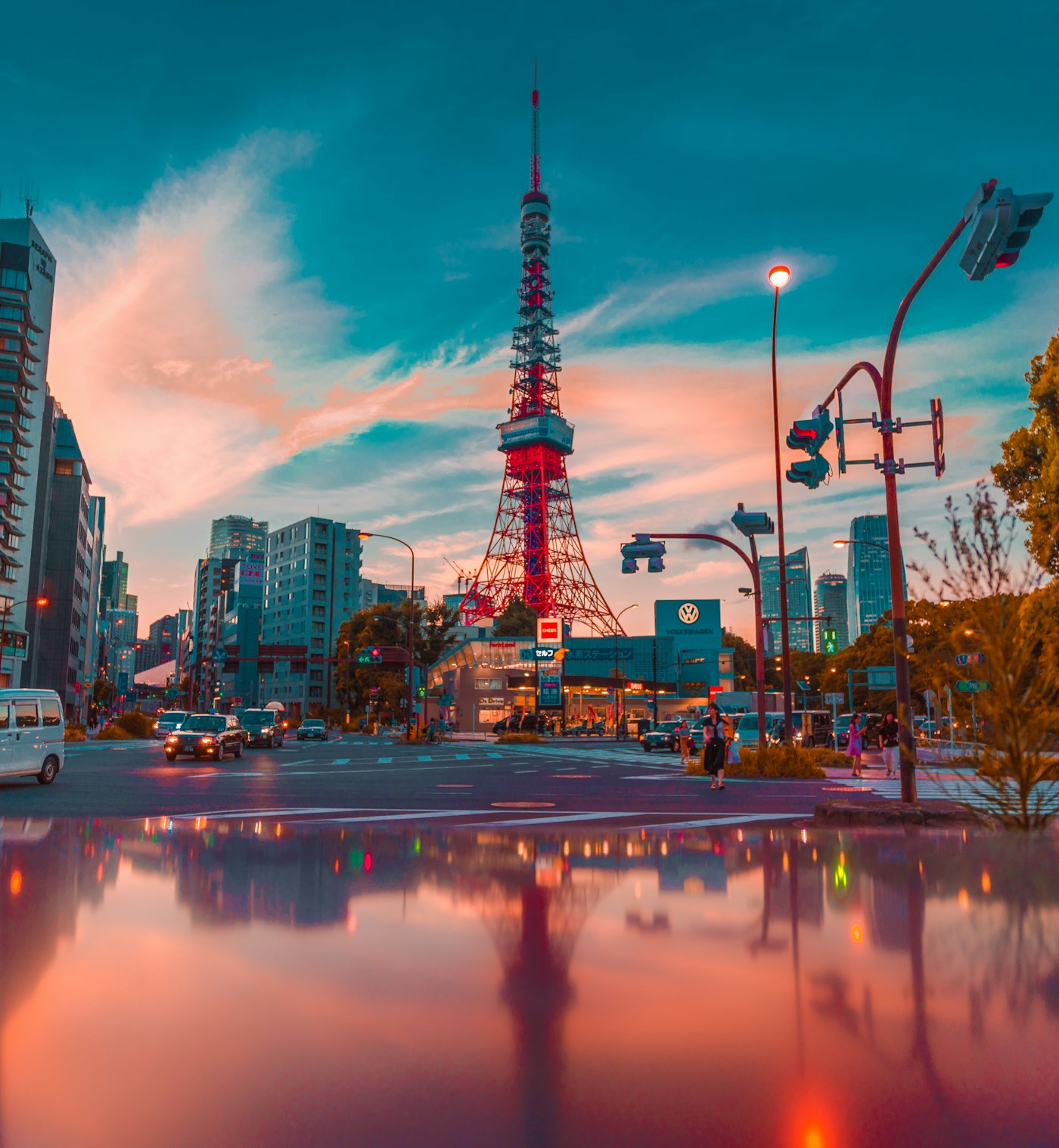
Tokyo is not one city but a dozen, stitched together by the most reliable train network on earth. The mistake first-timers make is treating it as a single destination. Pick a base near a major loop-line station and the whole city opens in twenty-minute increments.
Where you sleep sets the tone. Shibuya and Shinjuku put you inside the neon, Ginza gives you old-money calm, Asakusa keeps one foot in the Tokyo that existed before the towers. Choose the mood, then let the Yamanote line handle the rest.
Tokyo's luxury core. Department-store food halls that outclass most restaurants, the best sushi counters in the country, and quiet at night when the shops close. Refined, central, and expensive.
The transit heart and the nightlife engine. Golden Gai's tiny bars, skyline hotels, and Shinjuku Gyoen for a green morning. Loud, dense, and never closed.
Youthful, fast, and design-led. The famous crossing, the record shops of Udagawacho, and a wave of new hotels above the station. Best if you want the city's pulse, not its hush.
Old Tokyo, the Senso-ji temple, artisan streets, and the Sumida river. Lower, slower, and a short hop to the modern districts. Stay here for atmosphere and early-morning temple calm.
Late March to early April for cherry blossom and November for clear skies and red maples are the two showpiece windows, both peak, so book two to three months ahead. Late May, June outside the rainy spells, and early autumn are quieter and still pleasant.
Skip the humid tsuyu rains of mid-June to mid-July and the heavy heat of August unless price is the priority, which is when rates fall hardest. The cheapest, calmest month is usually January after the New Year holiday.
Tokyo's airport transfer should follow your hotel location, not a universal rule. Rail is dependable from both Haneda and Narita, while an airport bus can be easier when it stops at your hotel and luggage is substantial. Base yourself near a useful station, then use an IC transit card for trains, subways, buses, and small purchases.
Organize days by adjacent districts, such as Meiji Shrine, Harajuku, and Shibuya, rather than zigzagging across the metropolitan area. Stations can be enormous, so note the correct exit before arrival. Taxis are valuable late at night or for short, luggage-heavy transfers, not as the default.
Select a hotel for neighborhood mood and transport access before chasing a skyline view. Ginza suits polished dining and central connections, Shibuya delivers energy, and Marunouchi simplifies rail journeys beyond Tokyo. Confirm whether the room category allows two large suitcases to open comfortably, since dimensions matter more than broad labels.
Reserve sought-after sushi, kaiseki, and small chef-led counters through your hotel when direct booking is difficult. Build flexibility around day trips because weather can change the appeal of Mount Fuji views or garden visits. Avoid overbooking meals; department-store food halls, kissaten, izakaya, and neighborhood ramen are essential parts of the city.
The strongest Tokyo days place two neighbouring worlds side by side and leave the last train out of the story.
Start with a quiet ritual before the crowds: a shrine walk, a garden, or breakfast in a traditional cafe. Move into Ginza or Nihonbashi by midday, then let an excellent lunch anchor the day instead of treating food as an afterthought.
Use the afternoon for contrast. Pair Meiji Shrine's wooded paths with Harajuku and Omotesando, or old Asakusa with contemporary galleries across the river. Tokyo becomes legible when two neighboring worlds are experienced side by side.
Keep one night intentionally local. Eat near your hotel, explore a compact bar district, and learn the route home before the last trains. The evening feels richer when you are not watching the clock from the opposite side of Tokyo.