City Bowl and Gardens
The centre below Table Mountain, museums, the Company's Garden, restaurants, and Kloof Street's bars. Central and walkable, with the mountain as a backdrop. The convenient base.

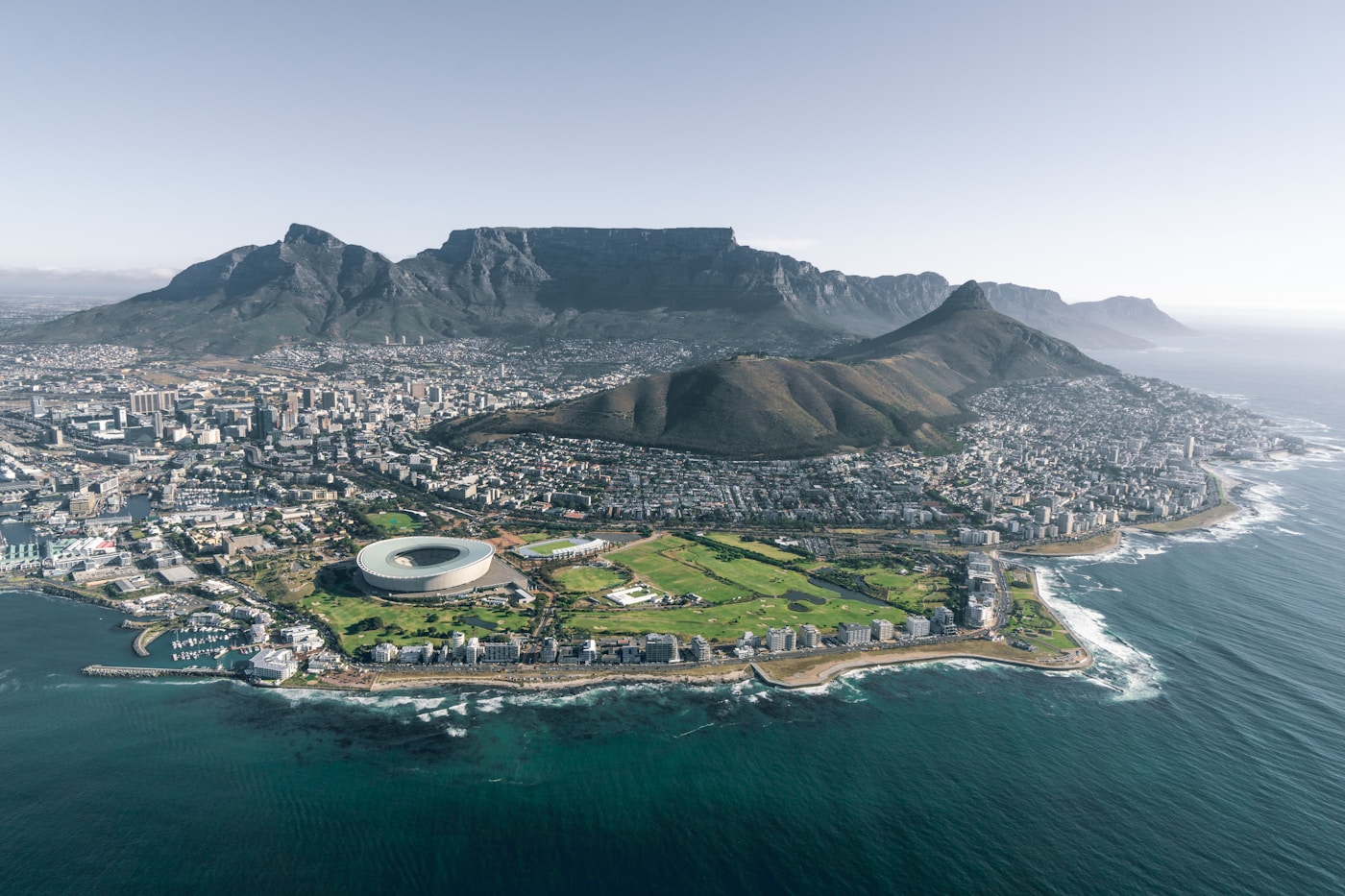
Where mountain meets ocean
Published by Globerto Editorial/ Research and product team
Cape Town sits where a mountain drops into two oceans, and the geography dictates everything. Table Mountain looms over the city centre, the Atlantic beaches line one side, the winelands open just inland. The best trips treat the city as a base for all three, and the right neighbourhood puts each within reach.
The weather and the wind run the schedule here. A clear, still morning is for the mountain and the cable car, a southeaster afternoon is for a sheltered valley or a winery. Stay flexible, watch the sky, and choose a base with both the city and the coast in easy reach.
The centre below Table Mountain, museums, the Company's Garden, restaurants, and Kloof Street's bars. Central and walkable, with the mountain as a backdrop. The convenient base.
The redeveloped harbour, hotels, shopping, the aquarium, and the boats to Robben Island. Polished, safe, and family-friendly, if a little packaged. Good for first visits.
The Atlantic seaboard, white-sand beaches below the Twelve Apostles peaks, and sunset restaurants on the strip. Glamorous and scenic, a short drive from the centre. The beach choice.
The leafy southern suburbs and the oldest wine estates in the country, vineyards, gardens, and grand calm. Removed from the city, close to the winelands and Kirstenbosch. The tranquil retreat.
November to March is the Cape summer, warm, dry, and long, ideal for the beaches, the mountain, and the winelands; December and January are peak and busy. February and March hold the summer weather with slightly easier crowds.
The winter months, June to August, are green, wet, and the quietest, with whales offshore and the lowest rates. For the best balance, aim for November or March.
Cape Town International Airport is best handled with a pre-arranged transfer, particularly after dark or when travelling with luggage. The city is geographically spread out, and a private driver or reputable ride service is often more practical than public transport for visitors. Group days by area: City Bowl and Bo-Kaap, the Atlantic Seaboard, Constantia, and the Peninsula each reward focused time.
Table Mountain weather changes quickly, so keep the cableway day flexible and check current operating conditions locally. For the Cape Peninsula or Winelands, use an experienced driver-guide so everyone can enjoy the scenery, tastings, and coastal roads without navigating unfamiliar routes.
Select a base according to the trip's centre of gravity. The City Bowl offers restaurant access and urban energy; Camps Bay and Clifton prioritise ocean views but can involve traffic and wind; the Waterfront provides convenience, security, and easy departures; Constantia feels secluded and suits garden or wine-focused stays. Confirm the room's orientation because mountain, harbour, and sea views face different weather and light.
Ask about secure parking, backup power arrangements, pool heating, and realistic walking access. Reserve celebrated restaurants, Robben Island tickets, and specialist guides early, but keep one weather-flexible window for Table Mountain and another for the Peninsula's exposed coastal scenery.
A flexible Cape Town plan outperforms a rigid one because weather can promote tomorrow’s idea to today.
Use the clearest morning for Table Mountain, then descend before conditions or queues change. Follow with lunch in the City Bowl and a slower afternoon exploring Company’s Garden, galleries, or Bo-Kaap with a guide who can provide context.
Dedicate a full day to the Cape Peninsula, allowing time for viewpoints, coastal villages, and the Cape Point landscape without racing. A private driver makes spontaneous stops possible and removes the pressure of returning along unfamiliar roads after sunset.
Treat the Winelands as more than a tasting circuit. Choose two contrasting estates, include a serious lunch, and spend time in a historic town or garden. An overnight stay works well when wine, architecture, and unhurried hospitality are central.