Riverside
The Chao Phraya's banks, grand old hotels, temple views, and sunset cruises. Romantic and serene, slightly removed from the centre but linked by river boat. The classic choice.

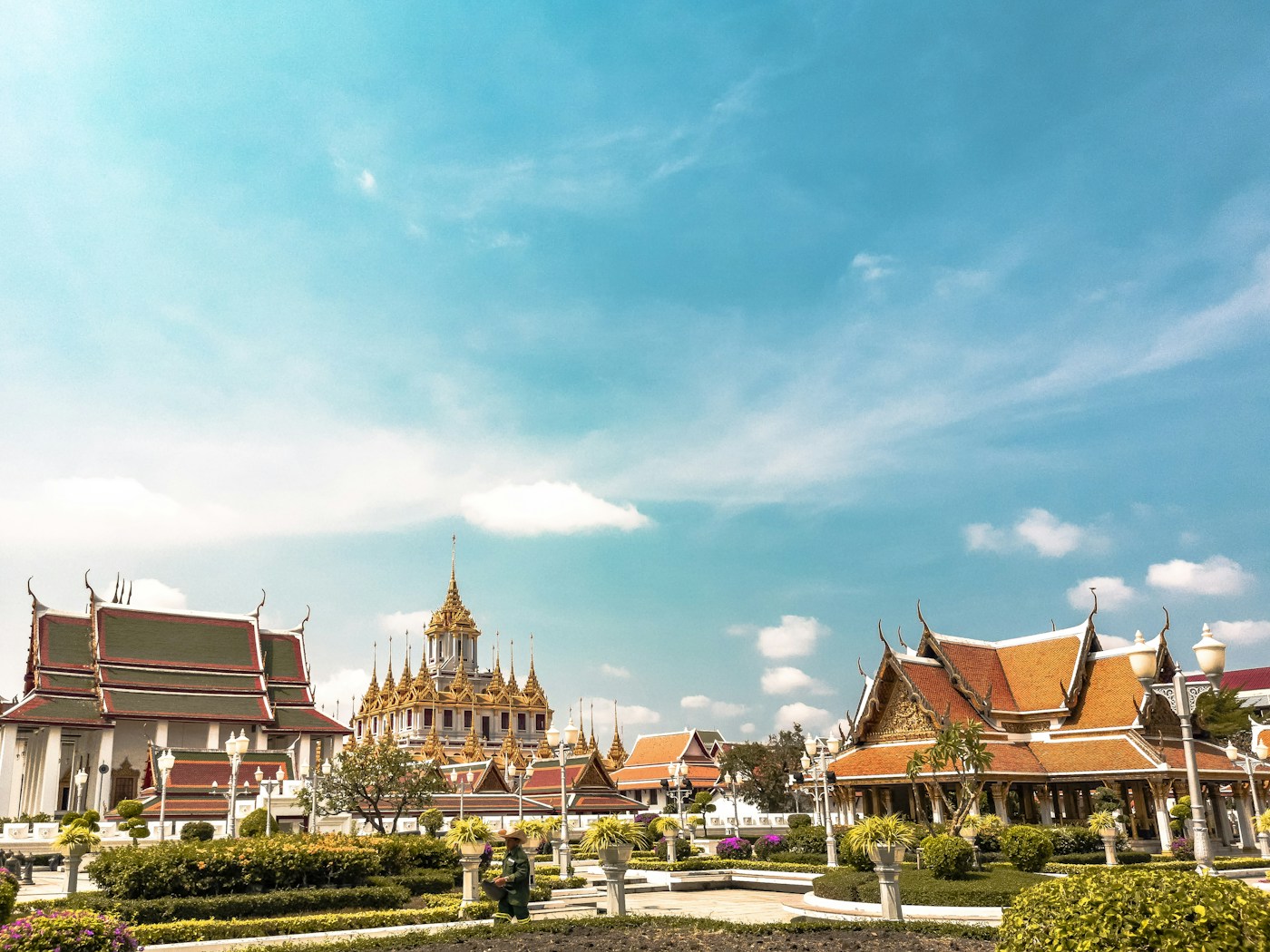
Bangkok runs on the river and the rails, and ignoring both is how visitors end up trapped in traffic. The Chao Phraya is the city's oldest highway, lined with temples and grand hotels, the BTS Skytrain glides above the gridlock to the malls and the nightlife. Stay near one or the other and the city moves with you, not against you.
This is a city of layers, gilded temples beside glass towers, street woks beneath luxury hotels. The best trips embrace the contrast rather than choosing a side. Pick a base by the river for romance, or by the Skytrain for the modern city's pace.
The Chao Phraya's banks, grand old hotels, temple views, and sunset cruises. Romantic and serene, slightly removed from the centre but linked by river boat. The classic choice.
The modern spine, Skytrain access, rooftop bars, malls, and an endless restaurant scene. Central, convenient, and built for visitors. The practical base.
The business district by day, street food and nightlife after dark. Well connected, close to the river, and a real cross-section of the city. Good value and central.
Rattanakosin, the historic heart, the Grand Palace, Wat Pho, and Wat Arun across the water. Few hotels, low rise, and the Bangkok of the postcards. Visit by day even if you sleep in the towers.
November to February is the cool, dry season, the only stretch when the heat and humidity ease, and the best time to visit; December and January are peak. March to May is punishingly hot, often above 35 degrees.
The June to October monsoon brings short heavy downpours, lush green, and the lowest prices, with mornings often clear. For value with bearable weather, target the November or February edges of the cool season.
Bangkok’s airport transfer can be straightforward, but road conditions vary, so avoid placing a fixed dinner immediately after landing. Arrange a hotel car when comfort, luggage handling, or a late arrival matters; rail is useful for light travellers staying near a convenient connection. Within the city, combine the BTS Skytrain and MRT with river boats and short car journeys.
Base each day on one corridor because apparently close districts can take time to connect. Pair the historic riverside with temples, Siam with shopping and design, or Sukhumvit with dining. Carry the hotel address in Thai and plan a cool midday break.
Choose between the riverside and central districts according to your preferred pace. Riverside hotels offer space, views, and boat journeys but add transfer time to some restaurants and shops. Siam and lower Sukhumvit provide easier rail access and a more energetic urban base.
Compare club-lounge privileges, river orientation, balcony details, and transport offered by the hotel. Reserve destination restaurants and notable tasting menus early, while keeping room for excellent casual meals.
For temple visits and private guides, confirm an early start and appropriate dress guidance. Avoid overbooking spa appointments on arrival day because flight delays and traffic can quickly undermine the schedule.
Bangkok is generous when the itinerary accepts its heat, distance, and appetite for late dinners.
Begin at the Grand Palace district near opening time, continue to Wat Pho, then cross or follow the river before the heat intensifies. Retreat for lunch and a swim, returning outside when the light softens.
Use the Skytrain for a focused design and shopping day around Siam, Chidlom, or Phrom Phong. Mix major malls with smaller galleries and independent boutiques, then let dinner anchor the evening in the same area.
Dedicate an evening to the Chao Phraya rather than treating the river as transport alone. Travel by hotel boat, watch the skyline change, and choose a riverside dinner where the setting supports, rather than overwhelms, the food.