Gion
The old geisha district, wooden machiya houses, lantern-lit lanes, and the most atmospheric streets in Japan after dark. Central and traditional. The classic, evocative stay.

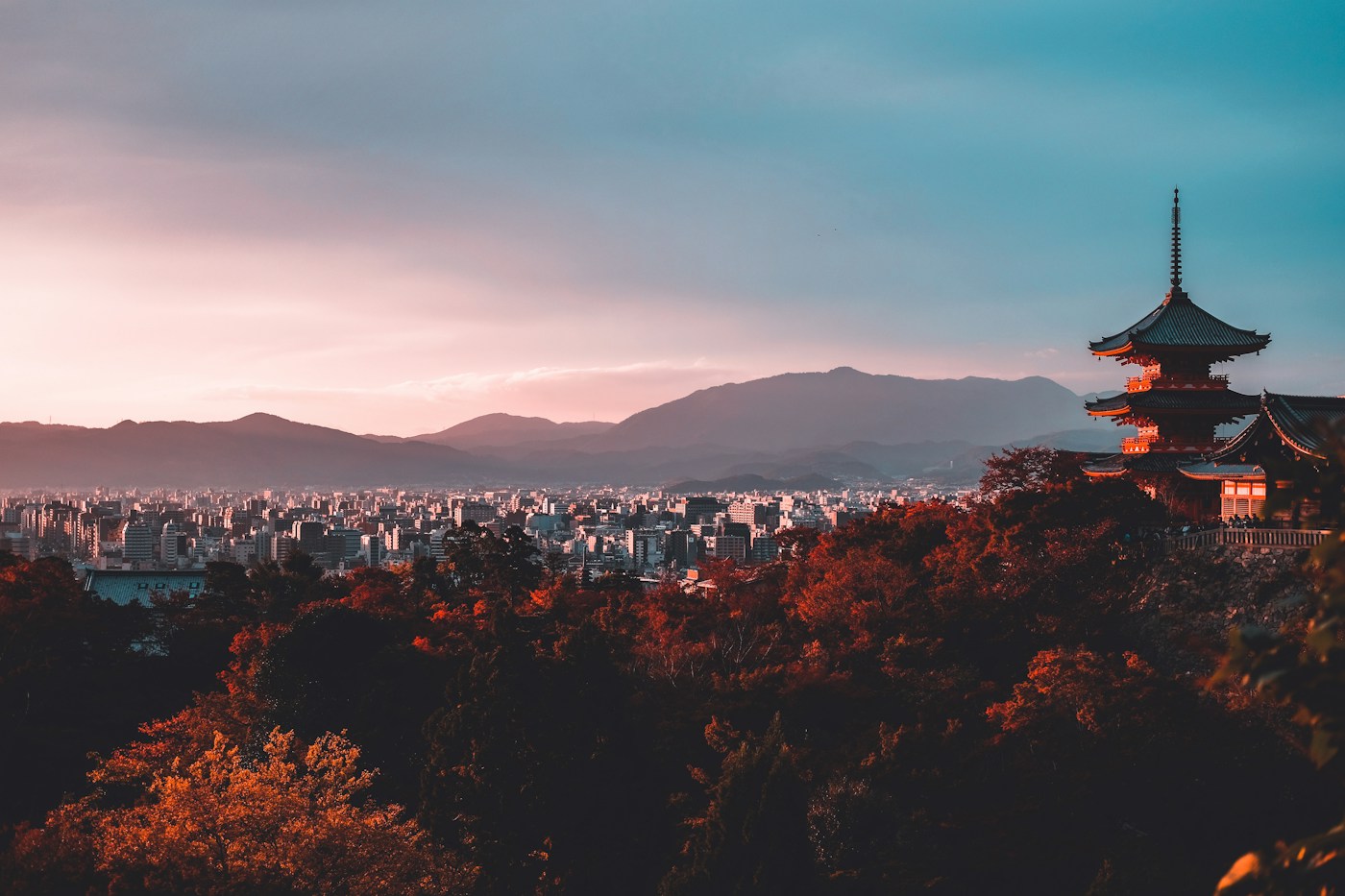
Kyoto holds Japan's old soul, a thousand years of temples, gardens, and tea houses, but it gives them up only to the traveler who beats the crowds. Arashiyama's bamboo grove is sublime at seven and a scrum by ten. The trick to Kyoto is rising early and staying close, so the famous sites are yours before the day-trippers arrive from Osaka.
The city sits on an old grid, low and walkable, with the temples gathered in the eastern and northern hills. Stay central, near the river or the old Gion district, and the best of Kyoto is a short walk or a quick taxi away at dawn.
The old geisha district, wooden machiya houses, lantern-lit lanes, and the most atmospheric streets in Japan after dark. Central and traditional. The classic, evocative stay.
The eastern temple district, Kiyomizu-dera, the slopes of preserved lanes, and gardens at every turn. Walkable to the major sites. Stay here to be among the temples.
Nakagyo, the central grid around the Nishiki market and the Kamo river, restaurants, shopping, and easy transit. Convenient and lively. The practical base for first-timers.
The bamboo grove and the western hills, riverside temples and a slower pace, but removed from the centre. Best as a dawn visit, or a quiet ryokan stay away from the city.
Early April for cherry blossom and November for the autumn maples are spectacular and packed, so book two to three months ahead and expect peak rates. Late May, June outside the rains, and September are quieter and still lovely, with better value.
Avoid the humid heat of July and August if you can, which is also when rooms are cheapest. For the calmest mix of weather and price, target late September or early October.
Most international visitors reach Kyoto by rail from Kansai Airport, Tokyo, or Osaka, arriving at the vast Kyoto Station complex. Arrange luggage forwarding when changing cities so the first and last sightseeing hours stay unburdened. Taxis are valuable for early temple visits, evenings, and routes that would require several bus changes, while trains work well for Arashiyama, Fushimi Inari, and nearby Nara.
Central buses can become slow and crowded, so group sights by district and walk between close stops. Confirm whether a machiya or ryokan allows vehicles to reach the door, since narrow lanes may require a short walk with luggage.
Book Kyoto around the experience you value most. A refined ryokan offers seasonal meals, tatami rooms, and attentive rituals, but may impose fixed dining times and require a more deliberate schedule. A central hotel near Kawaramachi or Gion gives easier restaurant access, while Kyoto Station simplifies rail excursions and luggage transfers.
Ask about bedding style, private bathing options, room outlook, and meal policies before confirming. Reserve celebrated kaiseki counters, temple experiences, and specialist guides well ahead, particularly around spring blossom and autumn foliage periods. Build the itinerary by geography, and protect early mornings for major sites before tour groups and day visitors reshape the atmosphere.
Kyoto asks for restraint: one district, a small number of sacred places, and enough silence to notice them.
Reach a major temple or shrine near opening, then follow with a smaller garden in the same district. Pause for a seasonal lunch and return to the hotel during the busiest hours before an evening walk through lantern-lit lanes.
Spend one morning in Arashiyama beyond the famous bamboo path. Continue to temple gardens, riverside walks, or a quieter northern trail, then leave before the central streets peak and enjoy dinner back in the city centre.
Balance heritage with living Kyoto by visiting a craft studio, market stall, or contemporary gallery. A private introduction can explain materials and etiquette, turning an attractive object into a clearer understanding of the artisanship that still shapes the city.