Alfama
The oldest quarter, a Moorish maze of lanes below the castle, fado houses, and laundry strung between terraces. Atmospheric and steep, with the city's soul. Romantic, if your legs are willing.

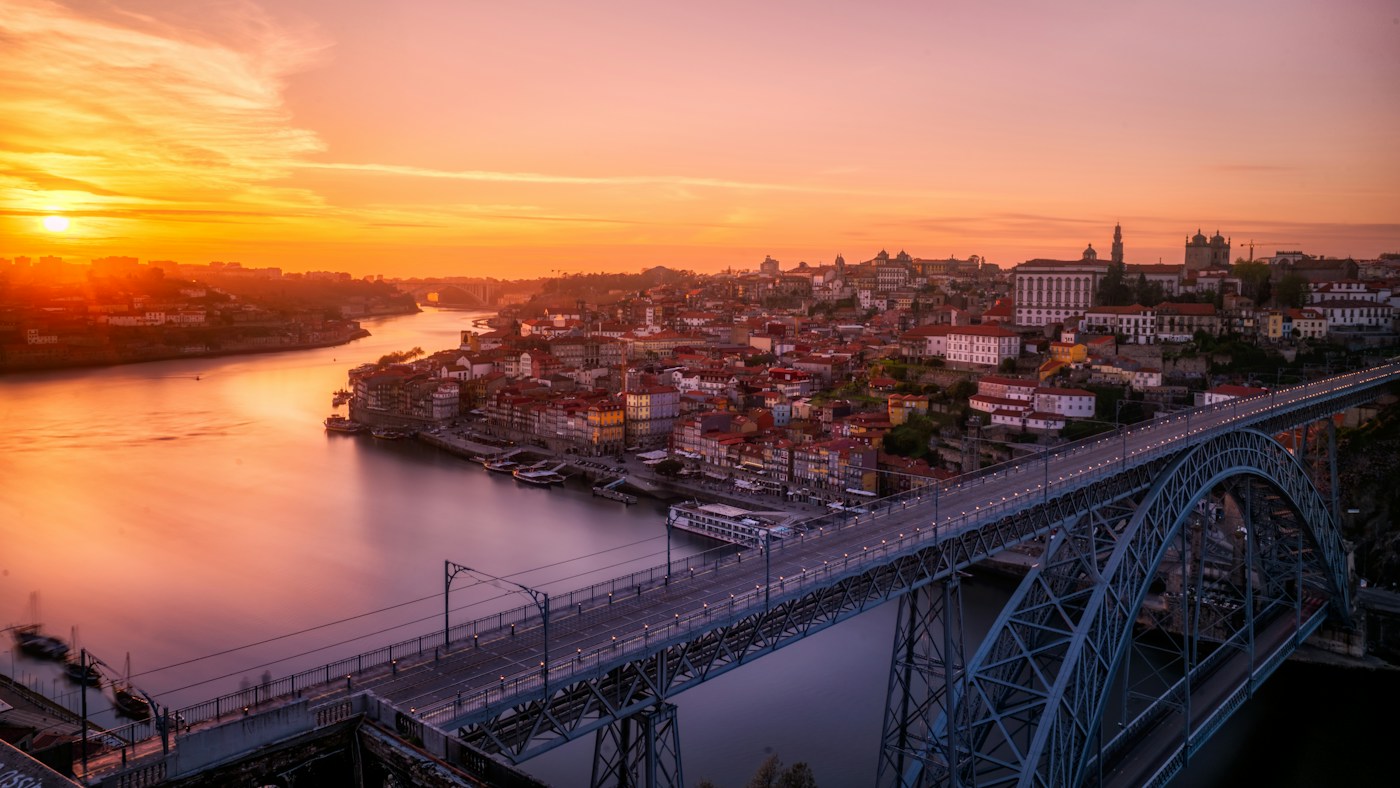
Lisbon is built on seven hills above the Tagus, and the climbs are the city. The reward for the steep cobbled lanes is the miradouro at the top, a viewpoint, a glass of wine, and the river spread out below. The best stays put you within walking distance of a few of these and let the trams handle the rest.
Each neighbourhood here has its own character and its own gradient. The Alfama is the old Moorish maze and the home of fado, the Baixa is the flat, grand downtown, Chiado and the Bairro Alto are shopping by day and bars by night. Choose by the slope you are willing to walk.
The oldest quarter, a Moorish maze of lanes below the castle, fado houses, and laundry strung between terraces. Atmospheric and steep, with the city's soul. Romantic, if your legs are willing.
The elegant shopping district and the nightlife quarter stacked together, bookshops and cafes by day, bars until late. Central and lively. The social choice.
The flat, grand downtown and the leafy, boutique-filled hill above it. Walkable, central, and full of good restaurants. The comfortable base.
By the river to the west, the monastery, the tower, and the original pasteis de nata. Grand and green, removed from the centre but linked by tram. Worth a day, and a calm place to sleep.
March to June and September to October bring warm days, clear light, and the city on either side of the summer crowds. July and August are hot, busy, and priciest.
Winter, November to February, is mild and bright by European standards, with the cheapest rates and quiet miradouros. The sweet spot is May or late September, when the weather holds and prices ease.
Lisbon Airport sits close to the centre, but the final approach to a hillside hotel can be slower than the map suggests. Arrange a private transfer if luggage, children, or a late arrival make steep pavements and station changes unappealing. Within the historic centre, walking reveals the city best, though polished shoes and wheeled cases struggle on calçada portuguesa.
Use the metro for direct cross-city journeys and licensed taxis or ride services after dinner. For Belém, consider the riverside tram or train, then explore on foot. Treat Sintra as a separate day with an early start and pre-arranged palace priorities.
Choose a Lisbon hotel by neighbourhood rhythm rather than star rating alone. Chiado and Príncipe Real suit travellers who want restaurants, design shops, and evening walks nearby; Avenida da Liberdade offers larger rooms, easier vehicle access, and a more composed base. Alfama is atmospheric but demands careful checks on stairs, soundproofing, and taxi access.
Ask whether the quoted room faces the street, courtyard, or river, because outlook and noise can vary sharply within one building. Reserve destination restaurants and private guides before arrival, while leaving one unstructured afternoon for weather, viewpoints, and discoveries. Add Sintra only if the itinerary allows a full day.
The city feels more generous when climbing is planned, lunch is unhurried, and the evening stays in one neighbourhood.
Begin with coffee and a quiet walk through Chiado before the shopping streets fill, continue downhill toward the river, then pause for a long lunch. Save a miradouro for late afternoon, when the city softens and climbing feels worthwhile.
Give Belém its own half day rather than treating it as a quick monument stop. Pair the riverside architecture with the cloisters, gardens, and a deliberate pastry break, then return by water or rail before the evening commute.
For a slower day, cross the Tagus by ferry and look back at Lisbon from the southern bank. The journey provides breathing room, wide views, and a useful contrast to the dense lanes and tiled façades of the centre.