Mayfair
Old-money London, Georgian townhouses, the best hotels, Bond Street tailoring, and quiet garden squares. Central, refined, and expensive. The grand choice.

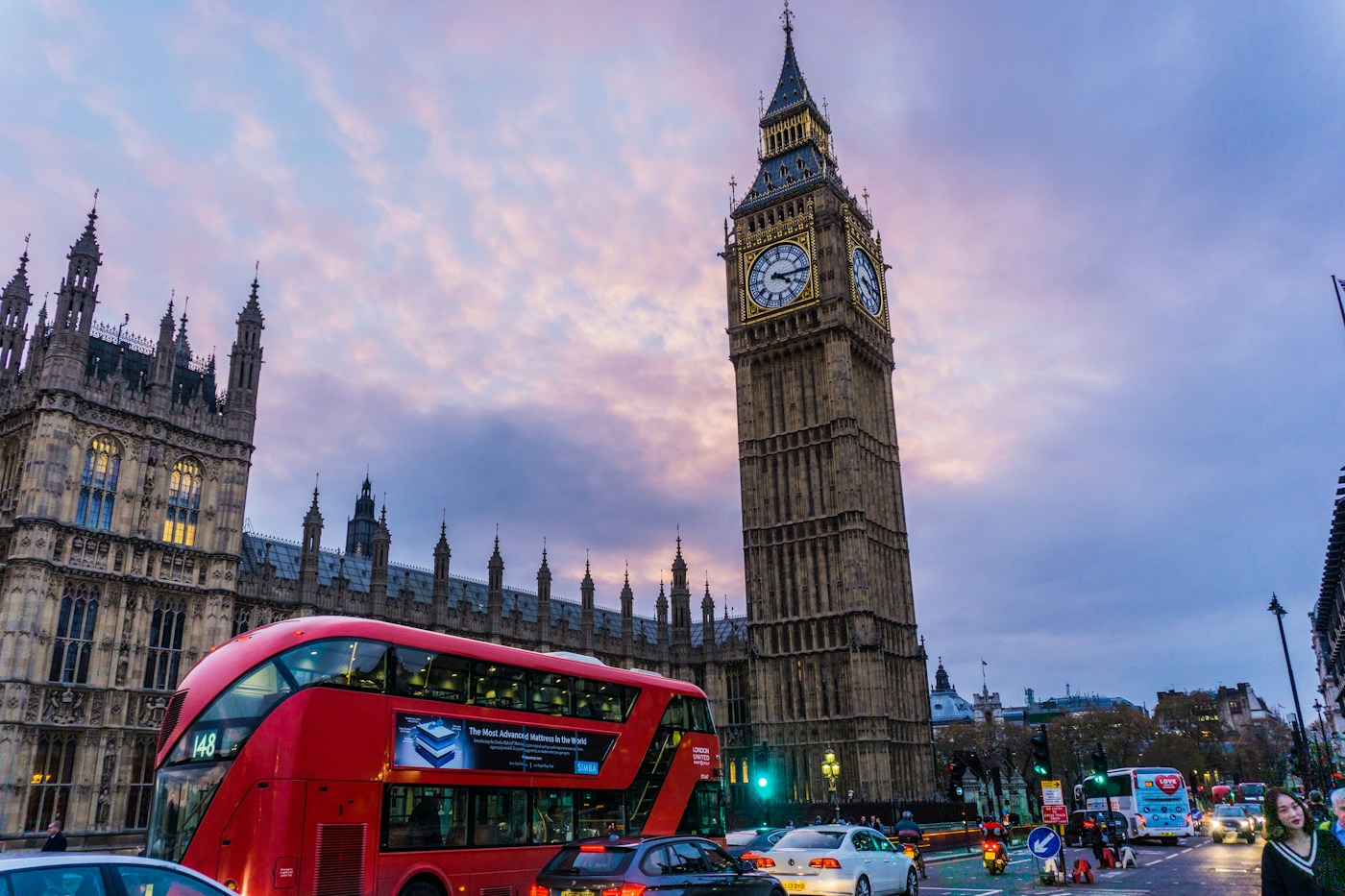
London is a collection of villages that grew into each other and never fully merged. Mayfair's old money sits a short walk from Soho's noise, the City empties at night while Shoreditch fills, South Kensington's museums feel a world from the East End's markets. Your postcode shapes the trip more than your hotel does.
The Underground makes the sprawl manageable, but the real London is walked. The pleasure is the square you cut through, the mews you did not expect, the pub on the corner. Choose a central, walkable base and let the city reveal itself between the landmarks.
Old-money London, Georgian townhouses, the best hotels, Bond Street tailoring, and quiet garden squares. Central, refined, and expensive. The grand choice.
Theatre, restaurants, and the city's busiest streets. Loud, central, and walkable to the West End. Stay here for energy and easy nights out.
Museums, garden squares, and embassy calm. The V&A, the Natural History Museum, and Hyde Park nearby. Elegant and quiet, good for families and culture.
East London's creative quarter, street art, markets, and a restaurant scene that leads the city. Younger and grittier, a short ride from the centre. The modern choice.
May to September gives the longest days, the parks at their best, and beer gardens open, though peak summer brings the crowds and the steepest rates. Late spring and early autumn, May and September, balance weather and value best.
Winter is grey but the city glitters at Christmas, and January to February is the cheapest stretch, with the theatres still running year round. Book well ahead for any summer or December stay.
Select the arrival airport with the hotel district and onward journey in mind. Heathrow has direct rail and Underground connections, while other airports may suit particular routes but require longer transfers. A car is comfortable with children or several cases, yet rail can be faster at busy times.
London works best as a collection of villages rather than a checklist. Group Mayfair with St James’s, South Kensington with Chelsea, and the South Bank with Borough Market.
Use the Underground for longer hops, walk within each district, and keep a contactless payment method ready. Allow extra time when crossing the city for fixed reservations.
Book the hotel around the London you want after dark. Mayfair and St James’s place dining, galleries, and shopping close together; South Kensington feels calmer and suits museum-focused days; Covent Garden shortens the journey home after theatre. Compare the exact room category because historic buildings can produce meaningful differences in size, outlook, and layout.
Reserve popular restaurants, afternoon tea, and major exhibitions ahead, especially for weekends. For theatre, secure essential performances early but avoid scheduling every night. Check cancellation terms and breakfast inclusions carefully, then ask the concierge to confirm travel time between bookings before finalising the itinerary.
The best London itinerary combines a focused cultural visit with time in the village around the hotel.
Start in St James’s Park, continue through Mayfair’s galleries and arcades, and stop for a proper lunch rather than rushing across town. A quiet hotel pause leaves enough energy for cocktails, dinner, and evening theatre.
Spend a museum morning in South Kensington, walk through Chelsea toward the river, and choose one garden or design destination for the afternoon. This compact route reveals London’s elegance without turning the day into transport.
Cross the Thames on foot for a South Bank morning, continue toward Borough Market and Bankside, then return by river or bridge. The changing skyline gives useful orientation while the route mixes architecture, food, and culture.