SoHo and Tribeca
Cast-iron loft buildings, designer flagships, and the city's best downtown restaurants. Cobblestones, galleries, and a moneyed calm after the shoppers leave. Central to everything below Midtown.

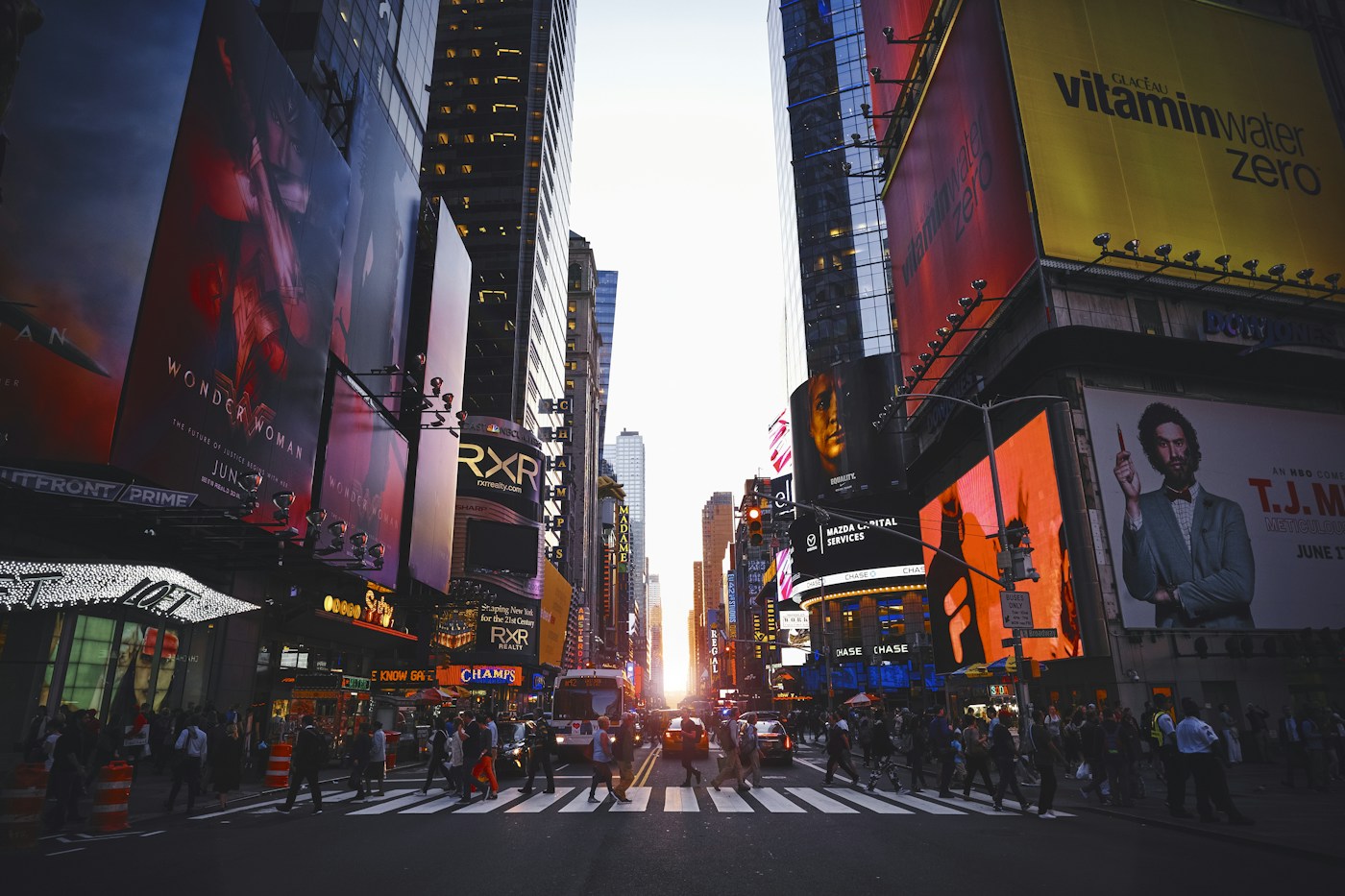
New York is a collection of neighbourhoods pretending to be one place, and where you stay decides which New York you get. Midtown is the engine and the crowds, downtown below 14th Street is where the city feels lived-in, Brooklyn across the river trades the skyline for the view of it. The island is small, but twenty blocks is a real difference.
Manhattan is a grid you can read on sight, which makes it the most navigable big city in the world. Pick a base near a subway hub and the five-borough sprawl collapses into a twenty-minute ride. Sleep where you want to spend your evenings, not where the convention is.
Cast-iron loft buildings, designer flagships, and the city's best downtown restaurants. Cobblestones, galleries, and a moneyed calm after the shoppers leave. Central to everything below Midtown.
Tree-lined low-rise streets, the New York of the films, intimate restaurants, and brownstone quiet. Walkable, romantic, and the antidote to Midtown's scale.
Central Park, the museums, the theatres, and the icons. Busy, towering, and built for visitors. Stay here for the landmarks and the easy transit, not for charm.
Tenement history turned nightlife and gallery district, the city's energy after dark, and some of its most interesting food. Younger, grittier, and very much alive.
Late April to June and September to early November bring the city's best weather, comfortable streets, and the parks at their finest. December glitters but freezes and fills with tourists at peak rates.
January and February are cold and the cheapest months, with restaurants and hotels finally quiet and Broadway easiest to book. For the ideal balance, aim for May or October.
Choose your airport around the first and last night, not simply the cheapest fare. Kennedy and Newark both serve Manhattan well, while LaGuardia can be convenient for many domestic arrivals. A prebooked car makes sense after an overnight flight or with substantial luggage, but the subway and commuter rail are often more predictable when road traffic builds.
Once settled, organize each day by adjoining neighbourhoods. Pair the Upper East Side with Central Park, SoHo with the West Village, or Brooklyn Heights with Dumbo. Comfortable shoes and a flexible evening plan preserve energy for the city’s best spontaneous discoveries.
Reserve the hotel first when travelling during major cultural, fashion, or holiday periods, then shape restaurants and performances around its location. A prestigious address is not automatically the best base: Midtown suits first visits and theatre nights, while downtown neighbourhoods offer a more residential rhythm. Compare room dimensions, outlook, soundproofing, and whether the category shown is guaranteed.
Ask about connecting rooms and lift access before booking family stays. Secure one or two priority restaurants when reservations open, but leave several meals unscripted. For Broadway, choose the production before the date if one particular show matters most.
New York becomes manageable when each day follows the city’s geography instead of fighting it.
Begin early with Central Park or the High Line before foot traffic gathers, pause for a long museum visit, then return to the hotel before dinner. New York rewards ambition, but a deliberate reset keeps the evening enjoyable.
Build one downtown day around SoHo, Nolita, the Lower East Side, and the West Village. Walk between them, follow appealing side streets, and use a car only for the final transfer to dinner or a performance.
Give Brooklyn its own half day rather than treating it as a quick photograph. Cross the bridge early, explore Brooklyn Heights and Dumbo slowly, then stay for a waterfront drink as Manhattan begins to glow.