Old Town
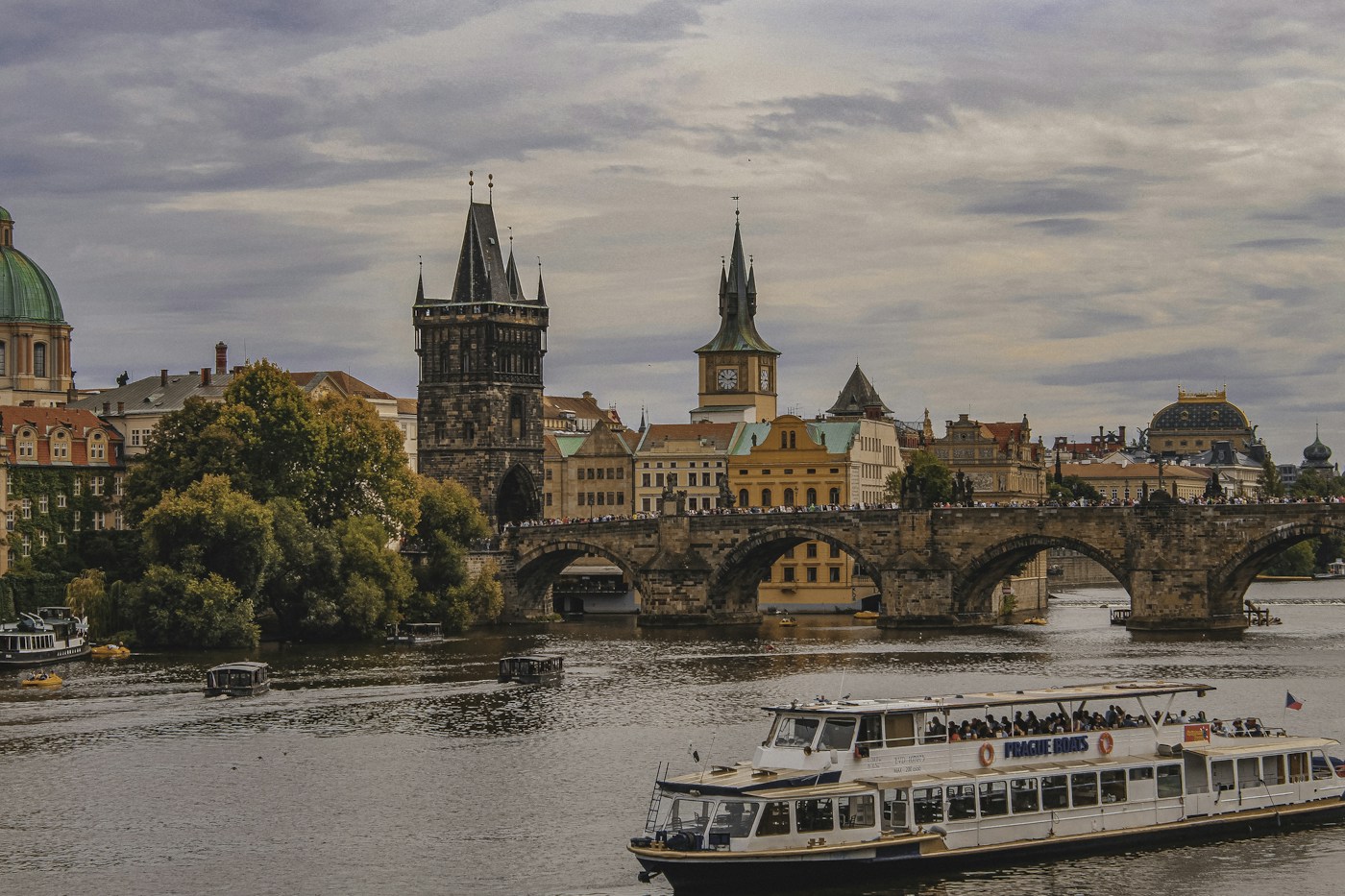
Stare Mesto, the medieval heart, the astronomical clock, the Old Town Square, and lanes that fill by day and quiet by night. Central and atmospheric, busy and priced for it. The postcard stay.

City of a hundred spires
Published by Globerto Editorial/ Research and product team
Prague survived the twentieth century almost untouched, and the reward is a medieval city centre that still looks the part. The trick is timing and footing. The Charles Bridge at dawn is a different place from the Charles Bridge at noon, and the lanes that choke with tour groups by day empty into something close to magic after dark.
The river splits the city into two moods. The Old Town's astronomical clock and winding lanes sit on one bank, the castle and the quiet, leafy Mala Strana climb the other. Choose your side by whether you want to be in the bustle or just above it.
Stare Mesto, the medieval heart, the astronomical clock, the Old Town Square, and lanes that fill by day and quiet by night. Central and atmospheric, busy and priced for it. The postcard stay.
Below the castle across the river, baroque palaces, garden terraces, and cobbled calm. Romantic and quieter, a short walk over the Charles Bridge. The elegant choice.
The old Jewish Quarter within the Old Town, the synagogues, the cemetery, and the city's most serious shopping. Central, moving, and historically dense.
Leafy, residential, and beloved by locals, art-nouveau apartment blocks, parks, and the best neighbourhood restaurants and wine bars. A short tram ride out, and worth it.
May, June, and September deliver mild days, long light, and gardens in bloom without the summer peak. December's Christmas markets are beautiful but cold and crowded, with rates to match.
Winter otherwise, January to March, is quiet, cheap, and atmospheric, with the spires under snow and the bars warm. For the best weather-to-price balance, aim for late May or September.
Prague Airport is most comfortable by prearranged car, particularly after an overnight journey or with several bags. Public transport is practical for light travellers, though it requires a connection. In the centre, walking and trams are usually more useful than taxis.
The medieval street plan, hills, and cobbles make distances feel different from the map, so group the Old Town with Josefov, and Malá Strana with Prague Castle. Cross the river on foot when conditions are pleasant, but use a tram to save energy on the climb. Begin celebrated sights early, carry shoes with grip, and schedule a quiet midday interval away from the busiest lanes.
Choose the hotel according to desired atmosphere after sightseeing. Old Town places landmarks close but can feel busy; Malá Strana offers romance, hillside views, and quieter evenings; the New Town provides larger streets and broader dining access. Ask whether rooms face a square, tram line, courtyard, or late-night route, as sound varies block by block.
Historic properties may also have irregular layouts, steps, and limited lift access. Reserve a preferred suite, significant dinner, and concert in advance, but retain flexibility for weather. A private guide is most valuable early in the stay, when historical context and practical orientation improve every later walk.
Prague rewards an early start, a deliberate escape from the main route, and dinner after the day-trip crowds leave.
Reach Charles Bridge around first light, continue into Malá Strana, and climb toward Prague Castle before the main flow arrives. Descend slowly through gardens and lanes, then reserve the afternoon for lunch and a restorative hotel pause.
Give Josefov and the Old Town a focused morning with a knowledgeable guide, rather than racing between façades. After lunch, follow quieter passages toward the river and let one church, library, or gallery provide the day’s interior anchor.
Ride a tram beyond the postcard centre for a neighbourhood lunch or park walk, then return before evening. The short change of scene makes historic Prague feel more legible and prevents the trip from becoming a sequence of crowded landmarks.