Marina Bay
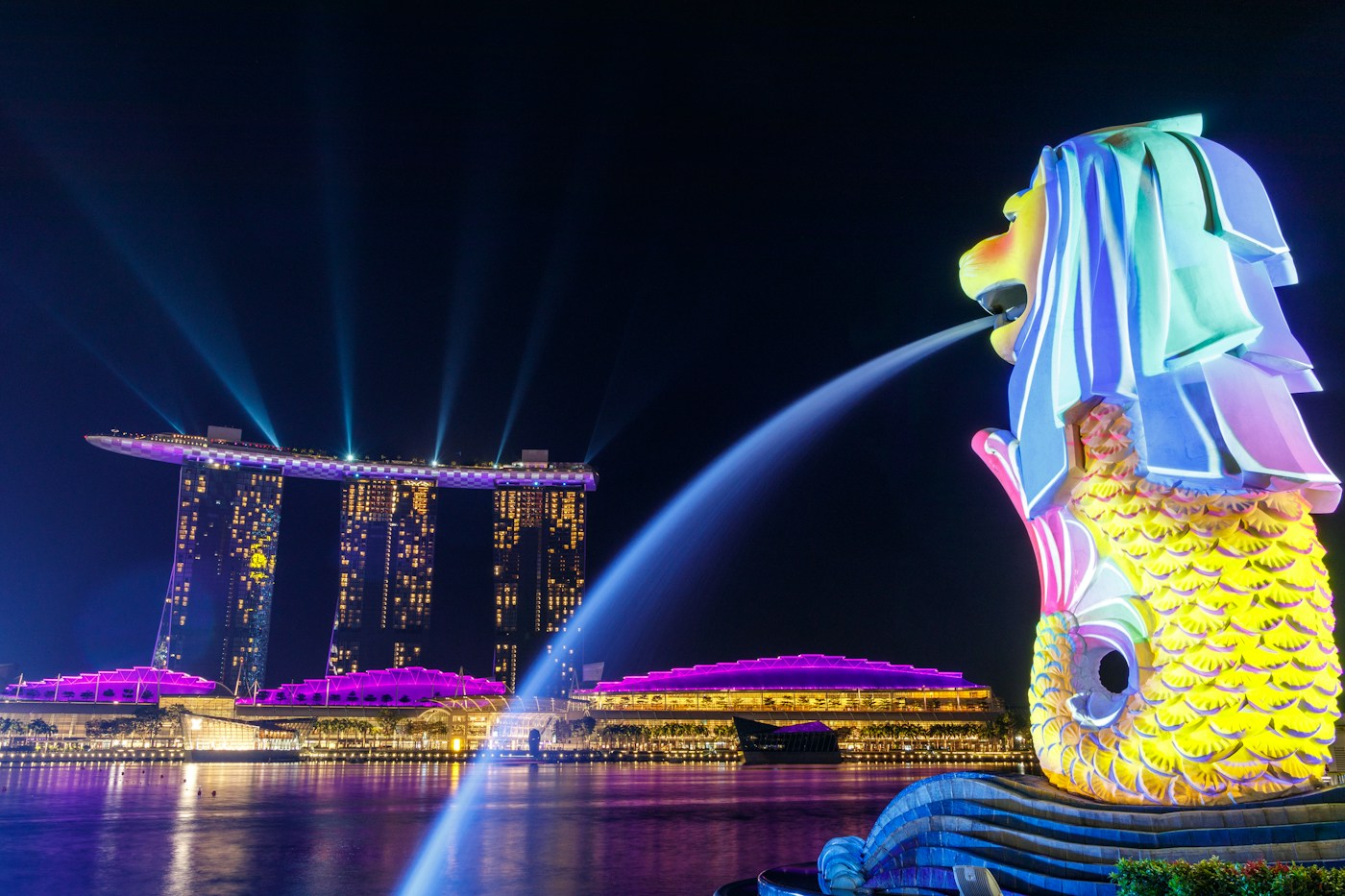
The postcard skyline, Marina Bay Sands, Gardens by the Bay, and the nightly light show. Central, polished, and built for spectacle. The icon-first choice.

Singapore is the rare city that works exactly as designed, and that precision is the point. The MRT is fast and spotless, the hawker centres serve some of Asia's best food for a few dollars, and the gap between a colonial shophouse and a futuristic garden is a short, air-conditioned ride. It rewards the traveler who plans tightly.
The island is small enough to cross in under an hour, so your base matters less here than almost anywhere. Choose by the mood you want at night, the colonial calm of the civic core, the buzz of the river, or the heritage streets of the old ethnic quarters.
The postcard skyline, Marina Bay Sands, Gardens by the Bay, and the nightly light show. Central, polished, and built for spectacle. The icon-first choice.
Heritage shophouses, temples, the best hawker food, and a lively bar scene. Atmospheric and central, with character the financial district lacks.
Art deco walk-ups, indie cafes, a beloved wet market, and a slow, local pace. The neighbourhood Singaporeans actually love. Quiet and characterful.
The Malay-Arab quarter, Haji Lane's boutiques, the Sultan Mosque, and a young, creative energy. Colourful, walkable, and full of good small restaurants.
Singapore is hot and humid year round, two degrees off the equator, so timing is about events and rain rather than seasons. February to April is marginally drier and the closest thing to a best window.
The November to January monsoon brings heavier afternoon showers and, with year-end demand, higher rates. Plan for daily downpours and air-conditioned breaks whenever you go; the quietest, best-value stretch tends to be the weeks just after the New Year holidays.
Changi Airport is well connected, and both taxis and rail make arrival manageable, but a car is the simplest choice after a long flight or with luggage. Singapore’s MRT is clean, efficient, and useful for most sightseeing; short taxi rides help when humidity, formal clothing, or tight reservations make walking uncomfortable. Organize days by adjoining areas: Civic District with Marina Bay, Chinatown with Tanjong Pagar, and the Botanic Gardens with Dempsey Hill.
Covered walkways provide relief from sudden rain, though a compact umbrella remains useful. Plan outdoor gardens and heritage walks for mornings or evenings, leaving midday for museums, lunch, or the hotel pool.
Choose the hotel district according to evening priorities. Marina Bay offers landmark views and easy access to major attractions, while Orchard suits shopping and central convenience. Tanjong Pagar, Chinatown, and the Civic District can feel more connected to heritage streets and independent dining.
Compare room orientation, club access, pool atmosphere, and walking distance to an MRT entrance. Reserve celebrated restaurants and weekend brunches in advance, but preserve space for hawker centres and spontaneous neighbourhood meals. If combining Singapore with an island or regional journey, place the city stay where airport transfers are simple and avoid scheduling a tasting menu on the arrival evening.
Singapore’s efficiency is most valuable when it creates time for neighbourhoods and meals, not more appointments.
Walk the Botanic Gardens early, linger over breakfast, and spend the warmer middle hours at a museum or spa. Return outdoors near sunset for Marina Bay, when the skyline and waterfront become more comfortable to explore.
Explore Chinatown and Tanjong Pagar as one layered district, moving between temples, shophouses, galleries, and contemporary restaurants. A guided heritage walk adds valuable context, while an unplanned coffee or lunch stop keeps the experience personal.
Pair the National Gallery or Asian Civilisations Museum with a slow circuit of the Civic District and river. Finish nearby for drinks or dinner, avoiding an unnecessary cross-city transfer when the streets are at their most atmospheric.