Innere Stadt
The first district, the historic core inside the Ring, St Stephen's Cathedral, the opera, the palaces, and the grand cafes. Central, elegant, and walkable. The classic stay.

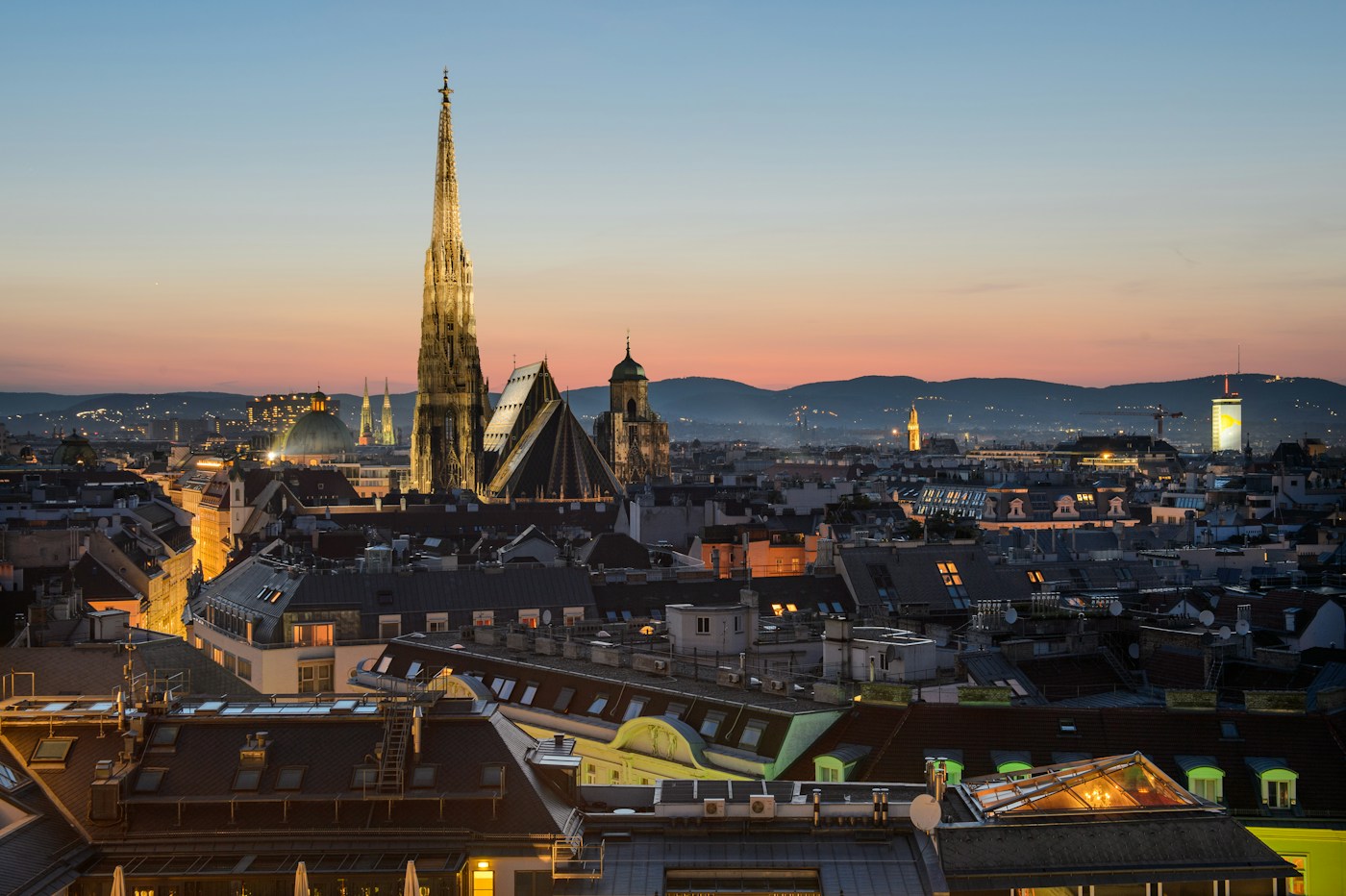
Vienna wears its imperial past lightly and lives extremely well in the present. The compact old centre, ringed by the grand Ringstrasse, holds the palaces, the opera, and the coffee houses where an afternoon can vanish over a single melange. Stay inside the Ring and the city's best is a short walk in every direction.
This is a city that rewards slowness. The pleasure is the unhurried coffee, the gallery with no queue, the concert in a hall built for it. Choose a central district, set a gentle pace, and let Vienna's old rhythm set the tone.
The first district, the historic core inside the Ring, St Stephen's Cathedral, the opera, the palaces, and the grand cafes. Central, elegant, and walkable. The classic stay.
Across the canal, greener and more relaxed, the Prater park, the Augarten, and a younger food scene. A short walk to the centre with more space and better value.
The seventh district, the creative quarter, design shops, galleries, and the MuseumsQuartier on its edge. Bohemian and walkable, the contemporary counterweight to the imperial centre.
The fourth district, just south of the centre, the Naschmarkt food market, Karlsplatz, and a calm residential feel. Central enough, quieter, and full of good neighbourhood restaurants.
April to June and September to October bring mild weather, blooming or golden parks, and the cultural season in full swing. December glows with Christmas markets and concerts but draws crowds, cold, and higher rates.
July and August are warm, quieter, and better value, with some institutions on summer pause. For the ideal mix, target May, June, or September.
Vienna Airport connects easily with the centre by rail and car. A hotel transfer is comfortable with luggage, while city trains are efficient when the accommodation is near a convenient station. Inside Vienna, trams and the U-Bahn handle longer journeys, but the historic centre rewards walking.
Group the Hofburg, Albertina, and central streets together; combine Belvedere with nearby diplomatic quarters; and give the MuseumsQuartier and Spittelberg their own relaxed circuit. Cobblestones make supportive shoes worthwhile.
Build generous intervals around concerts and dinner, since returning to the hotel to change can take longer than expected. Most importantly, leave room for an unhurried coffeehouse stop.
For a first visit, the Innere Stadt offers maximum convenience and an elegant evening atmosphere, though rooms in historic buildings can differ in outlook and layout. The areas around the Ringstrasse provide grand hotels and straightforward access to museums, while quieter districts suit repeat visitors seeking neighbourhood rhythm. Compare renovation dates, air conditioning, courtyard versus street exposure, and the precise room category.
Secure important opera, concert, and restaurant reservations early, then design each day geographically. Museums can absorb several hours, so avoid booking two major collections back to back. Ask the concierge to verify performance venues, as Vienna has multiple historic halls with similar-sounding programmes.
Vienna needs fewer bookings than expected, provided the important museum and evening performance are chosen well.
Start with the Hofburg and central lanes before group traffic builds, choose one major museum for late morning, then settle into a coffeehouse. A hotel pause prepares you for an evening concert without turning culture into endurance.
Spend a morning at the Belvedere, walk through nearby residential streets, and continue toward the centre by tram. The route balances celebrated art with a glimpse of daily Vienna and avoids another checklist-style museum afternoon.
Explore the MuseumsQuartier and Spittelberg slowly, moving between one collection, independent shops, and a long lunch. Finish along the Ringstrasse near dusk, when its civic buildings feel theatrical and the trams become part of the view.