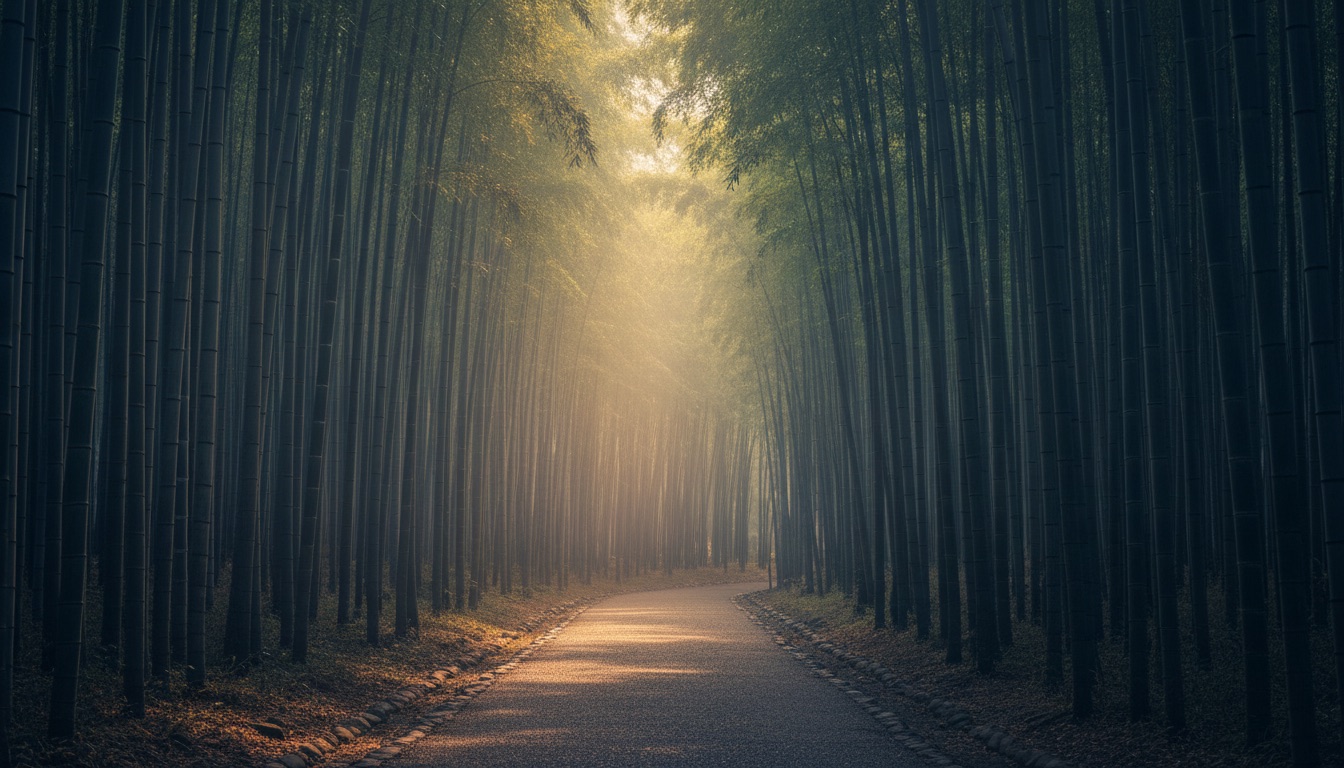
March – May
Spring, the blossom city
Sakura along the Philosopher’s Path and the Kamo river, then fresh green everywhere. The first April week is the crescendo; late April keeps the warmth and loses the crush.

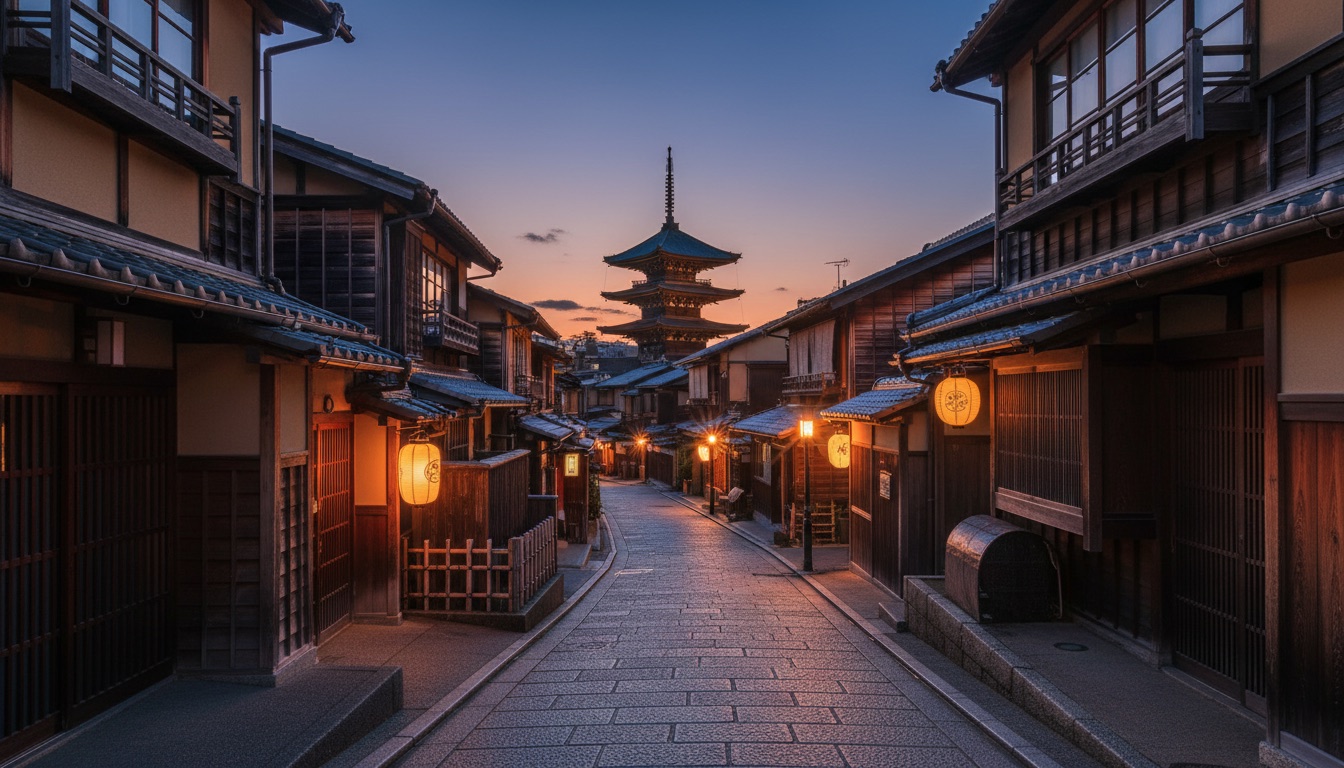
Every other guide hands you an average temperature and a shrug. This one makes the call: the right month for the trip you actually want.
Kyoto compresses Japan’s calendar into a single city: one staggering week of sakura in early April, one of maples in late November, and between them a rhythm of festivals, rains, and silences the crowds never learn. Start with what you came for, then tap it below.
One row per month. The two beauty peaks are short and exact; the value lives in the months either side of them.
| Month | Daylight | Avg high | Crowds | Price | Why go |
|---|---|---|---|---|---|
| Jan | ~10h | 9°C | Quiet | Low | Occasional snow on temple roofs, deep calm |
| Feb | ~11h | 10°C | Quiet | Low | Plum blossom at the shrines, pre-sakura hush |
| Mar | ~12h | 14°C | Building | Mid–High | Early blossoms open late month, city stirring |
| Apr | ~13h | 20°C | Peak | Peak | Full-bloom sakura in week one, the famous week |
| May | ~14h | 25°C | High | High | Fresh green temples, Aoi Matsuri, Golden Week spike |
| Jun | ~14h | 28°C | Moderate | Mid | Rainy-season mosses at their greenest, hydrangeas |
| Jul | ~14h | 32°C | High | Mid–High | Gion Matsuri all month, hot and festive |
| Aug | ~13h | 33°C | High | Mid | Humid; Daimonji bonfires close the Obon week |
| Sep | ~12h | 28°C | Moderate | Mid | Heat breaking, quiet gardens, early higanbana |
| Oct | ~11h | 23°C | Building | Mid–High | Crisp air, Jidai Matsuri, first tinges of colour |
| Nov | ~10h | 17°C | Peak | Peak | Koyo builds to its late-month peak, evening illuminations |
| Dec | ~10h | 12°C | Moderate | Mid | Last maples in week one, then winter quiet |
The best time to visit Kyoto is the first week of April, when the sakura typically hits full bloom, or mid-to-late November, when the maple gardens peak. Both windows are short, roughly ten days, staggeringly beautiful, and booked half a year ahead. The full bloom date drifts a few days year to year, so build a buffer around the peak rather than betting a two-night stay on it.
Kyoto is arguably the most season-sensitive city on earth: the same temple reads entirely differently in blossom, maple, rain, and snow. Repeat visitors collect the seasons like editions.
Go where the buses do not, and go early. In peak weeks, the famous sites (Kiyomizu-dera, Fushimi Inari, Arashiyama) are serene before 8am and dense by ten. Structure days as one marquee site at dawn, then the quiet tier: Daitoku-ji’s subtemples, the Philosopher’s Path north end, Ohara or Takao in the hills.
Evening is the second secret: the autumn and sakura illuminations run after dark with timed tickets, and the lanes of Gion and Higashiyama empty beautifully after nine.
January, February, and June are the connoisseur’s months. Winter brings the rarest postcard, snow on Kinkaku-ji, plus open ryokan, seasonal kaiseki at its best, and gardens quiet enough to hear. June’s rainy season glosses the moss gardens to their deepest green and cuts visitor numbers noticeably; Gion Matsuri then fills July with a month of festival.
Rates in these months sit at the year’s floor, and the two-week ryokan waitlists of April simply do not exist.
Sakura along the Philosopher’s Path and the Kamo river, then fresh green everywhere. The first April week is the crescendo; late April keeps the warmth and loses the crush.
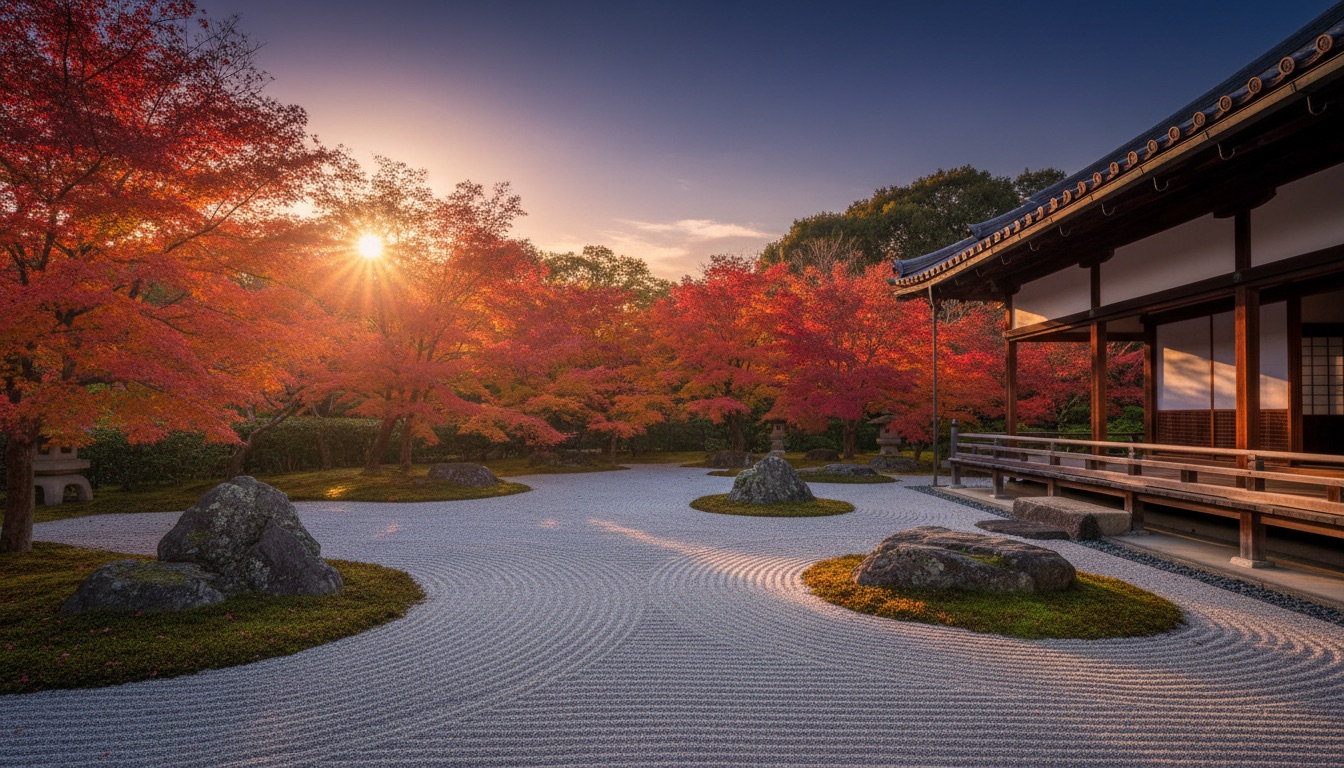
Koyo arrives top-down through November until the temple gardens glow crimson and gold. Evening illuminations at Kiyomizu-dera and Eikando are worth planning a trip around.
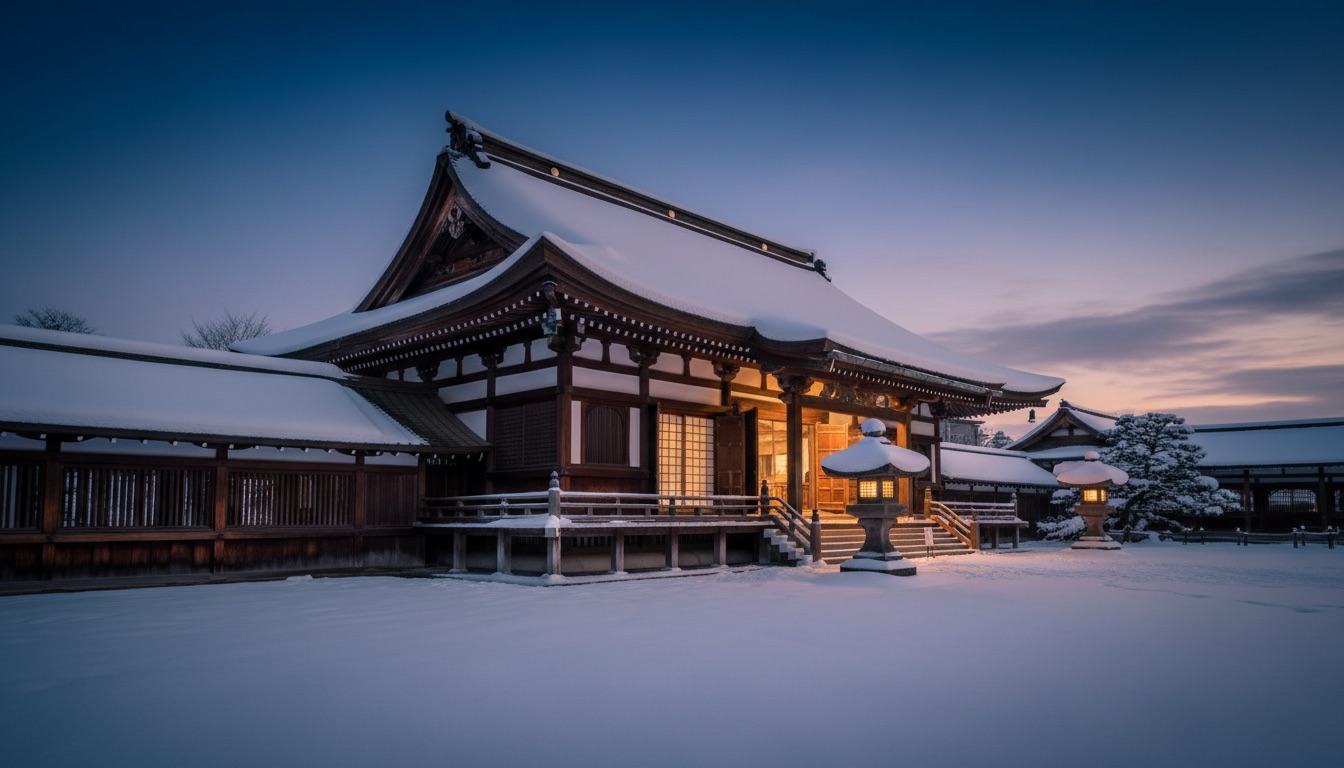
A dusting of snow on Kinkaku-ji is Kyoto’s rarest postcard. Winter means open ryokan, kaiseki at its seasonal best, and gardens you can hear.
Full bloom typically lands in the first week of April, with the whole window running from late March to mid-April. It shifts a few days year to year, so build a buffer around the peak if sakura is the goal.
Mid-to-late November into the first days of December. The evening temple illuminations run through this window and sell out; reserve them as early as your room.
Six months or more for sakura week and late November. The best small ryokan hold a handful of rooms and fill the peak weeks first; the quiet months need far less notice.
Kyoto’s best ryokan and small hotels hold very few rooms, and the two peak weeks sell out half a year ahead. Pick your month, then secure the room while the good ones are still open.
See live luxury stays in Kyoto