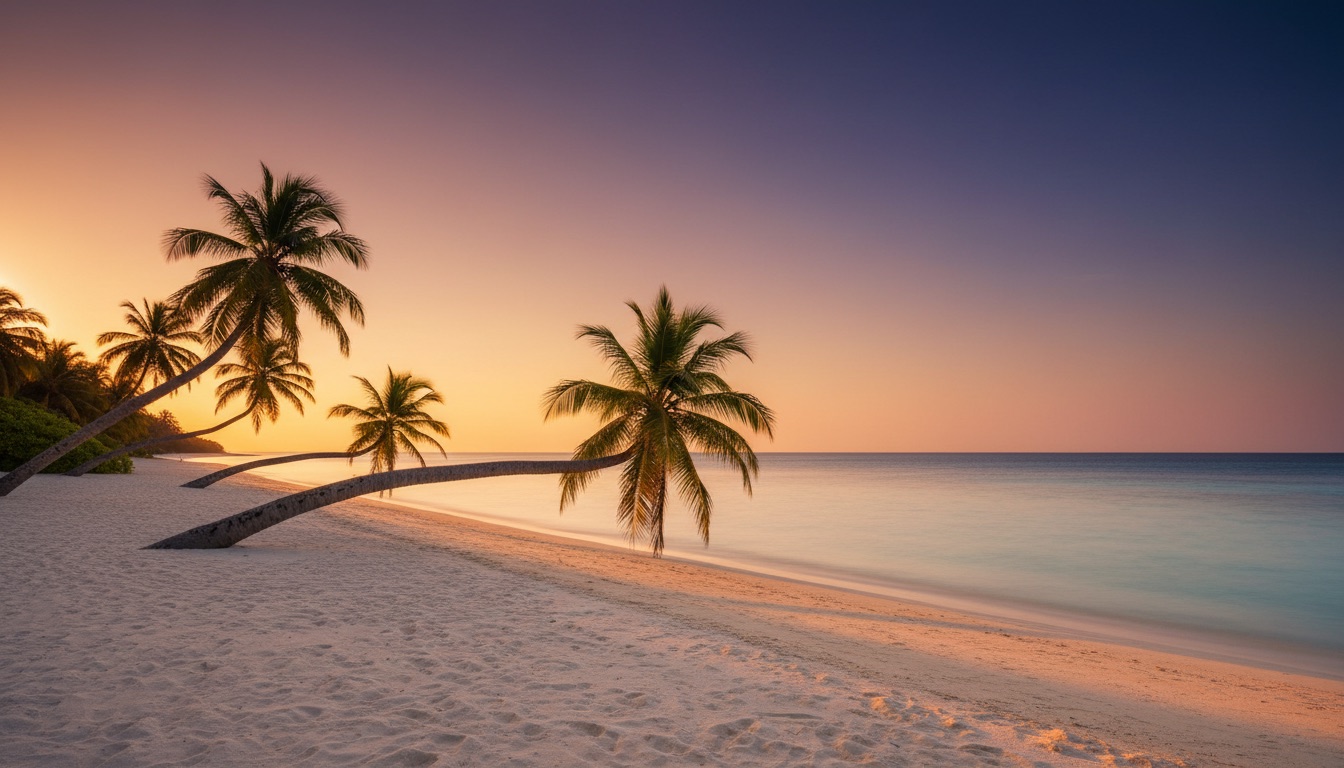
January – April
The dry season
The postcard: cloudless days, no humidity to speak of, and lagoons so still the villas float on glass. Every resort at full occupancy and full rate, so book early.

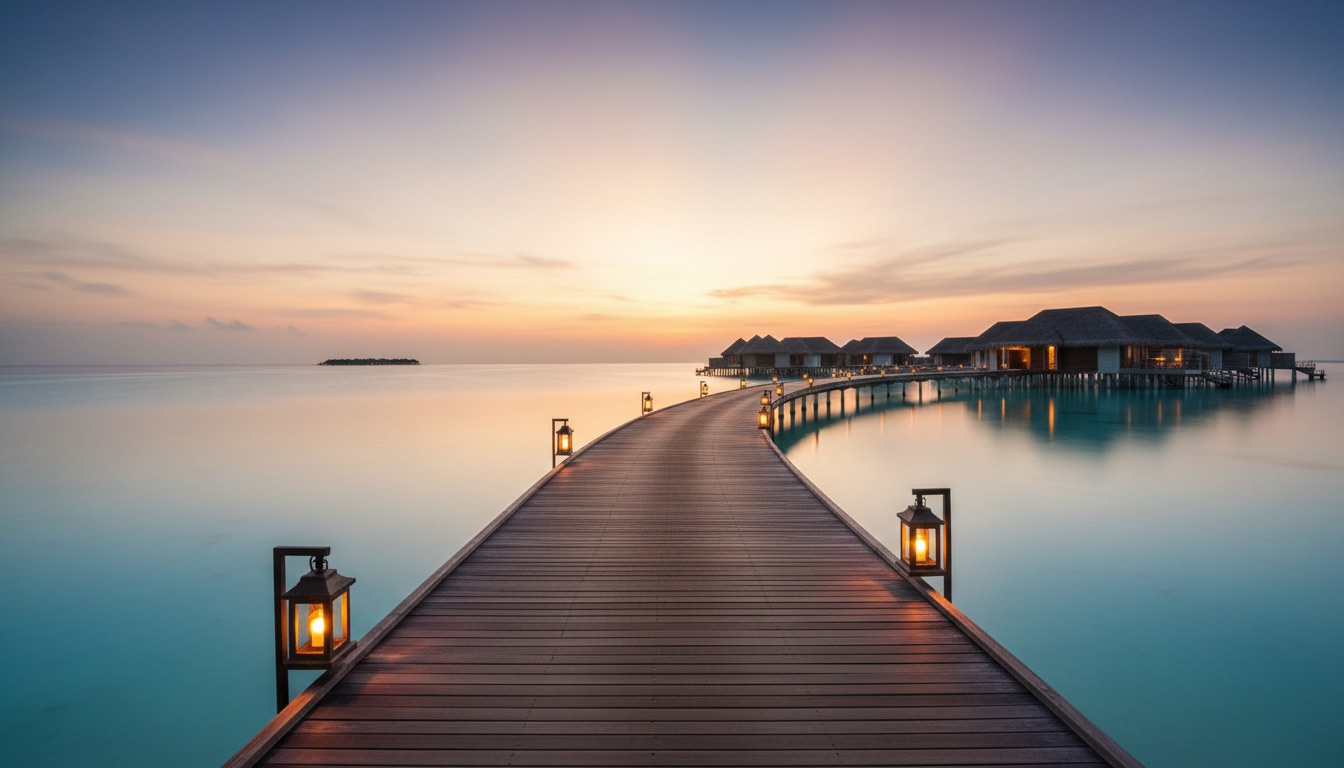
Every other guide hands you an average temperature and a shrug. This one makes the call: the right month for the trip you actually want.
The Maldives holds 29 degrees and a bathwater lagoon all year. What changes is the sky: the northeast monsoon dries it out from January, the southwest monsoon brings clouds and deals from May. Start with what you came for, then tap it below.
One row per month, the way resort reservation teams actually think about the year: dry-season certainty at the top of the price curve, green-season value at the bottom, mantas in between.
| Month | Daylight | Avg high | Crowds | Price | Why go |
|---|---|---|---|---|---|
| Jan | ~9h sun | 30°C | Peak | Peak | Driest skies begin, glassy water, festive tail |
| Feb | ~10h sun | 30°C | Peak | Peak | The driest month of all, top visibility for diving |
| Mar | ~9h sun | 31°C | High | High | Hot, calm, superb snorkelling before the turn |
| Apr | ~8h sun | 32°C | High | High | Warmest sea of the year, monsoon transition late month |
| May | ~7h sun | 31°C | Moderate | Mid | Green season opens, first real deals, surf picks up |
| Jun | ~7h sun | 30°C | Quiet | Low–Mid | Showers between bright spells, strong value |
| Jul | ~7h sun | 30°C | Moderate | Mid | Brighter stretch mid-monsoon, surf season prime |
| Aug | ~7h sun | 30°C | Moderate | Mid | Manta gatherings begin at Hanifaru Bay |
| Sep | ~6h sun | 30°C | Quiet | Low | Wettest month, lowest rates, mantas peaking |
| Oct | ~7h sun | 30°C | Quiet | Low–Mid | Plankton-rich water, mantas, quiet resorts |
| Nov | ~8h sun | 30°C | Building | Mid–High | Drying out, last mantas, pre-festive calm |
| Dec | ~8h sun | 30°C | Peak | Holiday spike | Dry season returns, festive premium from mid-month |
The best time to visit the Maldives is January to April, the dry northeast-monsoon season of glassy lagoons, ten-hour blue skies, and the year’s clearest water. February is the driest single month. If value matters more than certainty, May to October delivers the same villas at rates a third lower, trading an afternoon shower for real savings.
The variable is never temperature: the air holds around 30 degrees and the lagoon around 28 all year. You are choosing sky, sea state, and price, nothing else.
For most travellers, yes. Green-season rain typically falls in one short, dramatic burst and clears; mornings are often bright, and resorts run at half-occupancy calm. The money argument is compelling: the difference between February and September on the same overwater villa often funds the seaplane transfers and a spa week.
The honest caveats: seas run choppier (pick a resort with a sheltered house reef), and June and September carry the highest rain odds. If a single grey day would spoil the trip, pay for the dry season.
August to November is manta season, when the southwest monsoon pushes plankton into the atolls and the rays gather to feed, most famously at Hanifaru Bay in Baa Atoll, a UNESCO biosphere reserve where dozens can feed at once. Whale sharks cruise South Ari Atoll year-round but sightings peak in the same plankton-rich months.
Book a resort inside or adjacent to Baa Atoll for Hanifaru access; day permits are limited and managed by rangers. Divers chasing visibility rather than megafauna should flip the calendar and aim for January to April.
The postcard: cloudless days, no humidity to speak of, and lagoons so still the villas float on glass. Every resort at full occupancy and full rate, so book early.
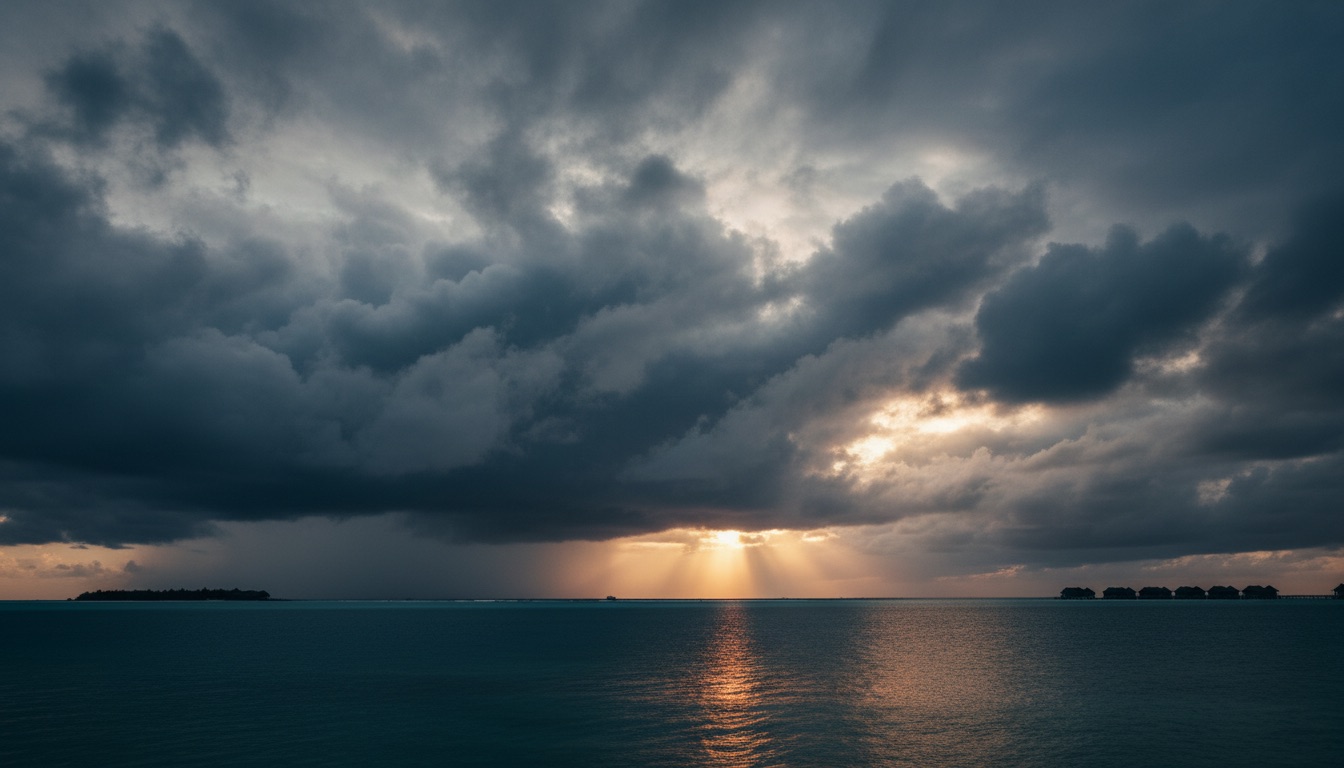
Dramatic skies, an hour of rain, then sunshine again. The atolls empty out and rates fall hard. If you can gamble an afternoon shower, this is the smart money.
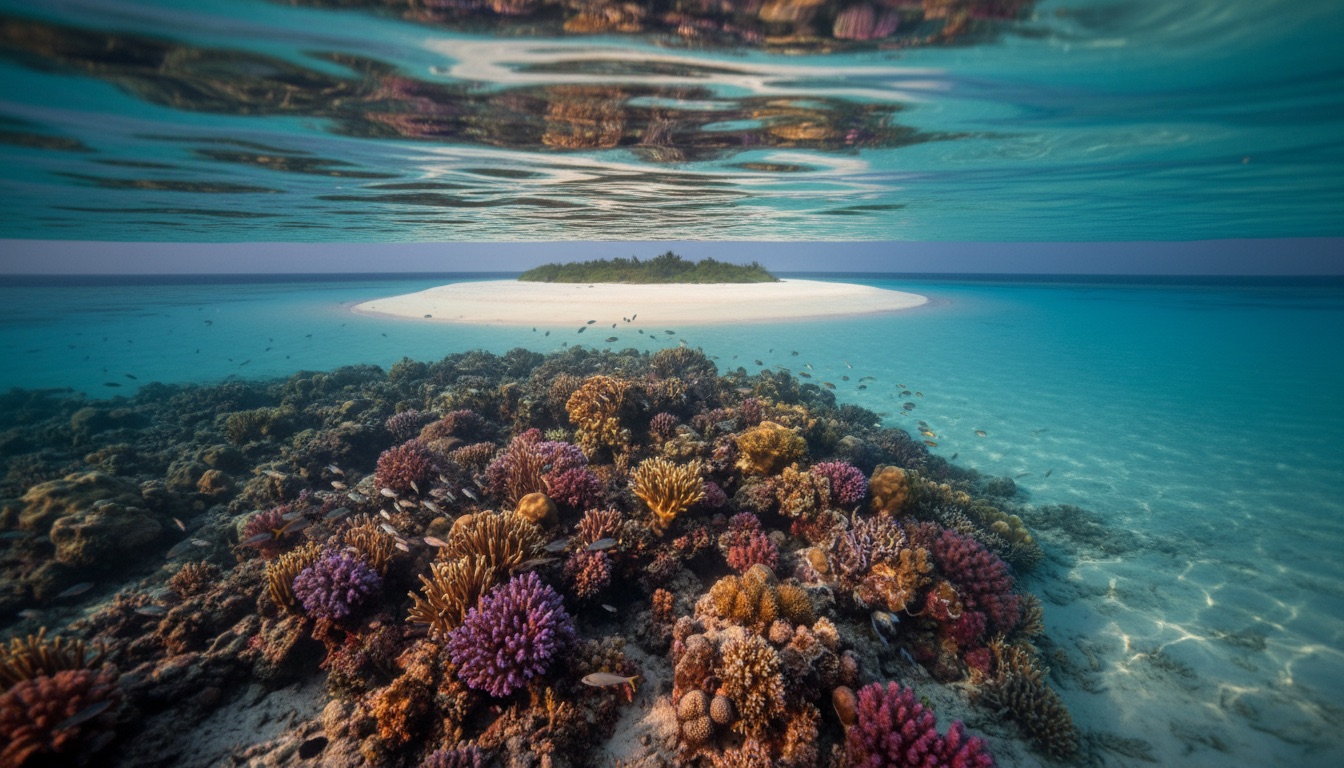
The southwest monsoon feeds the plankton, and the plankton feeds the giants: manta rays by the dozen and whale sharks cruising the channels, best around Baa Atoll.
January to April, during the dry northeast monsoon: the least rain, the calmest lagoons, and the clearest water. February is the driest single month.
Usually, yes. Green-season rain tends to fall in short bursts between long bright spells, rates drop by a third or more, and August to November adds the manta and whale-shark gatherings.
August to November, when plankton blooms draw hundreds of mantas, with the famous feeding events at Hanifaru Bay in Baa Atoll, a UNESCO biosphere reserve.
Overwater villas at the best small resorts sell out first for the dry-season weeks. Pick your month, then secure the villa while the good ones are still open.
See live luxury stays in the Maldives