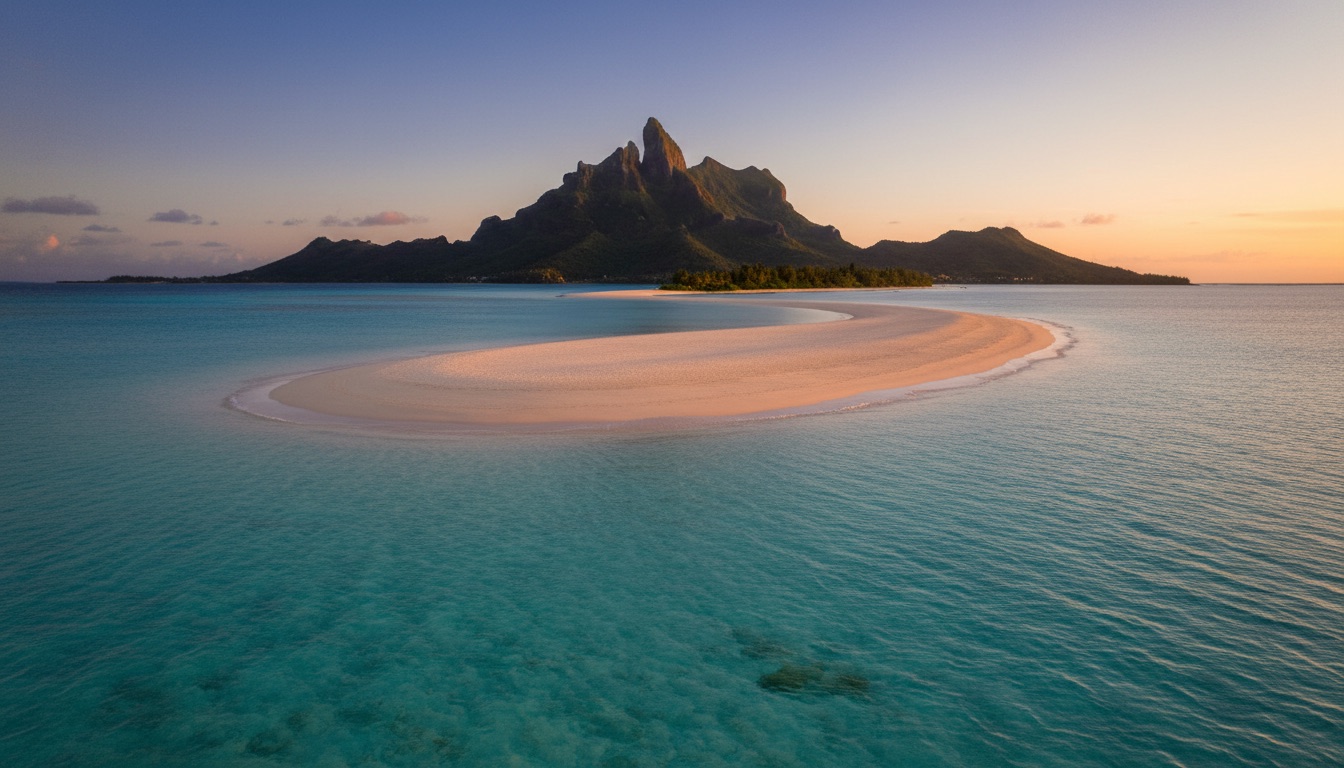
May – October
The dry season
The austral winter is the Bora Bora of the brochures: low humidity, endless visibility, and the lagoon in its full unreasonable palette. Demand and rates crest in July and August.

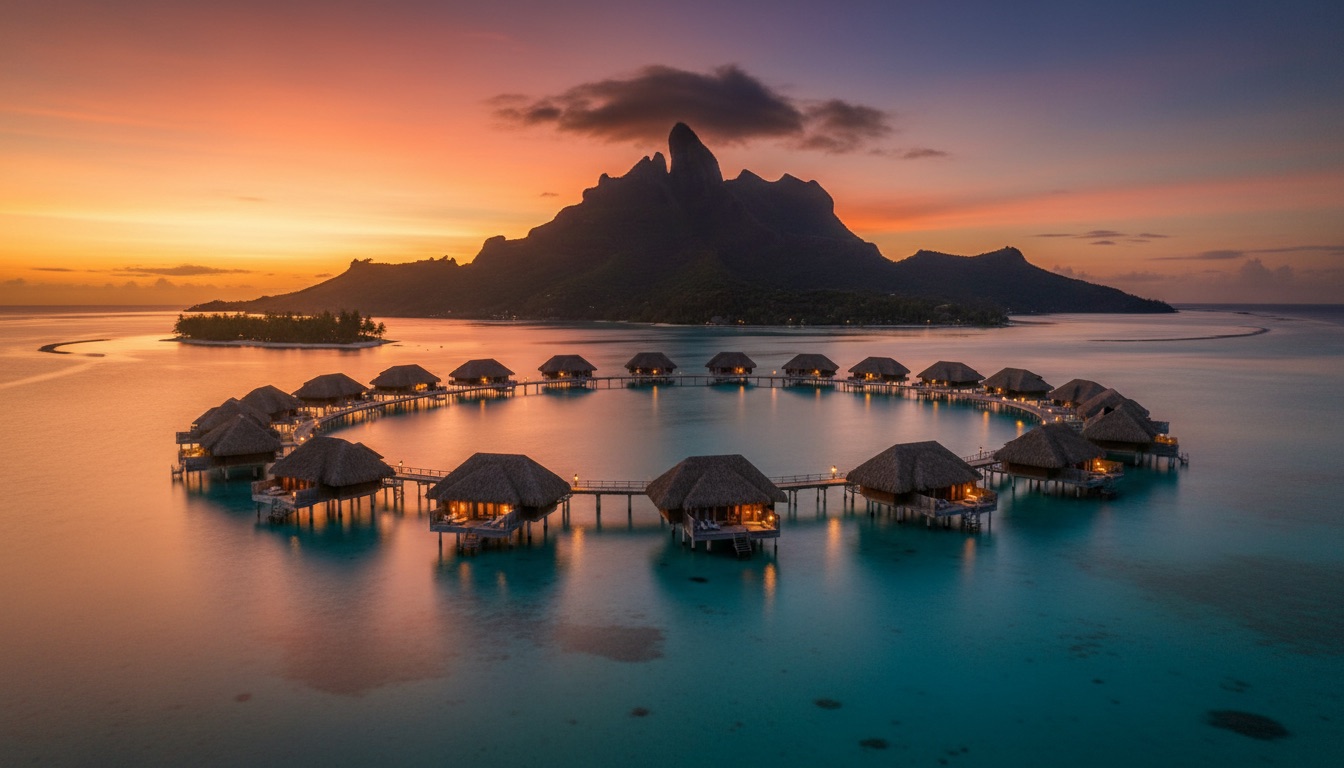
Every other guide hands you an average temperature and a shrug. This one makes the call: the right month for the trip you actually want.
Bora Bora holds its water at bath temperature all year; what moves is the air. The dry austral winter runs May to October, crisp and clear; the warm season turns humid with afternoon theatre. Start with what you came for, then tap it below.
One row per month. The dry season owns the honeymoon calendar and the top rates; the warm season pays you back if you can shrug off a shower.
| Month | Daylight | Avg high | Crowds | Price | Why go |
|---|---|---|---|---|---|
| Jan | ~6h sun | 30°C | Quiet | Low–Mid | Warm-season lull, green peaks, brief storms |
| Feb | ~6h sun | 30°C | Quiet | Low–Mid | Humid and quiet, the softest rates |
| Mar | ~7h sun | 30°C | Quiet | Mid | Rain easing, lagoon glassy between showers |
| Apr | ~7h sun | 30°C | Building | Mid | Transition month: drier weeks begin |
| May | ~8h sun | 29°C | Moderate | Mid–High | Dry season opens, crisp air, pre-peak calm |
| Jun | ~8h sun | 28°C | High | High | Trade-wind clarity, honeymoon season builds |
| Jul | ~8h sun | 28°C | Peak | Peak | Heiva festival, driest skies, peak demand |
| Aug | ~8h sun | 28°C | Peak | Peak | First whales arrive; the classic month |
| Sep | ~8h sun | 28°C | High | High | Whale season proper, crowds easing |
| Oct | ~8h sun | 29°C | Moderate | Mid–High | Last dry weeks, whales lingering, good value |
| Nov | ~7h sun | 29°C | Quiet | Mid | Shoulder into the warm season, last whales |
| Dec | ~7h sun | 30°C | Mixed | Holiday spike | Warm season returns; festive weeks spike |
The best time to visit Bora Bora is May, June, September, or October: full dry-season clarity on either side of the July-August crest, when demand and rates peak. The lagoon holds around 27 degrees every single day of the year, so your dates are buying humidity levels, rain odds, and price, never warmth.
August is the connoisseur’s compromise: still prime dry season, and the first humpback whales arrive in the channels. If the trip is a once-in-a-lifetime honeymoon, that is the month that gives you everything at once, at a price.
From August to early November, humpback whales migrate up from Antarctica to calve in French Polynesia’s warm, protected waters. Licensed boats keep respectful distances, sightings from overwater decks are common, and on still nights guests genuinely hear whale song resonating through bungalow stilts. September and October are the most reliable months.
Pair the whales with the tail of the dry season and you get October, quietly the best-value excellent month on the island’s calendar.
Not if you price it honestly. December to March runs hotter, stiller, and more humid, with downpours that arrive as afternoon theatre and wash the sky for sunset. The same overwater villa often costs a full tier less than in July, festive weeks excepted. The trade is a modest cyclone-season risk, rare but real, and greener, moodier light.
For a second visit, a proposal on a budget, or photographers who prefer drama to postcards, the warm season is genuinely underrated.
The austral winter is the Bora Bora of the brochures: low humidity, endless visibility, and the lagoon in its full unreasonable palette. Demand and rates crest in July and August.
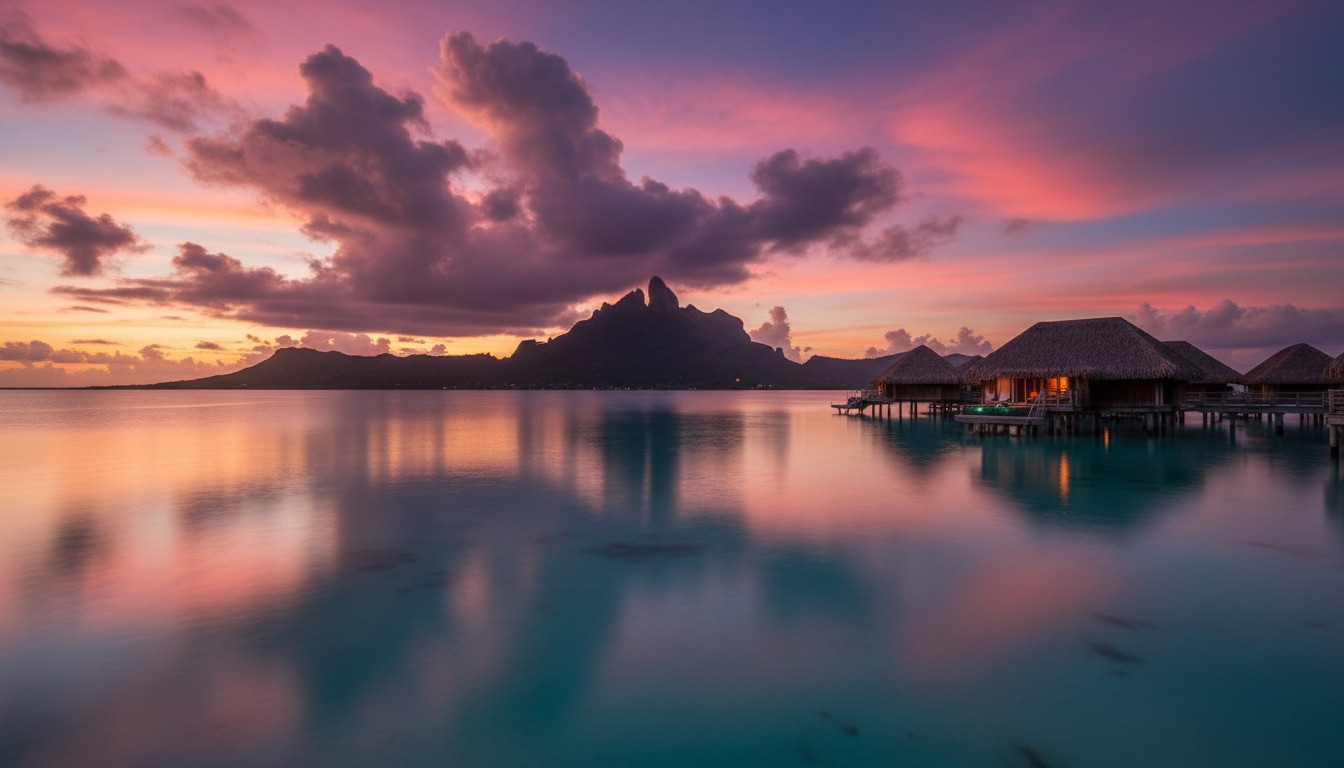
Hotter, stiller, greener. Downpours arrive as afternoon theatre and leave the sky washed for sunset. The same overwater villa runs a class cheaper, festive weeks aside.
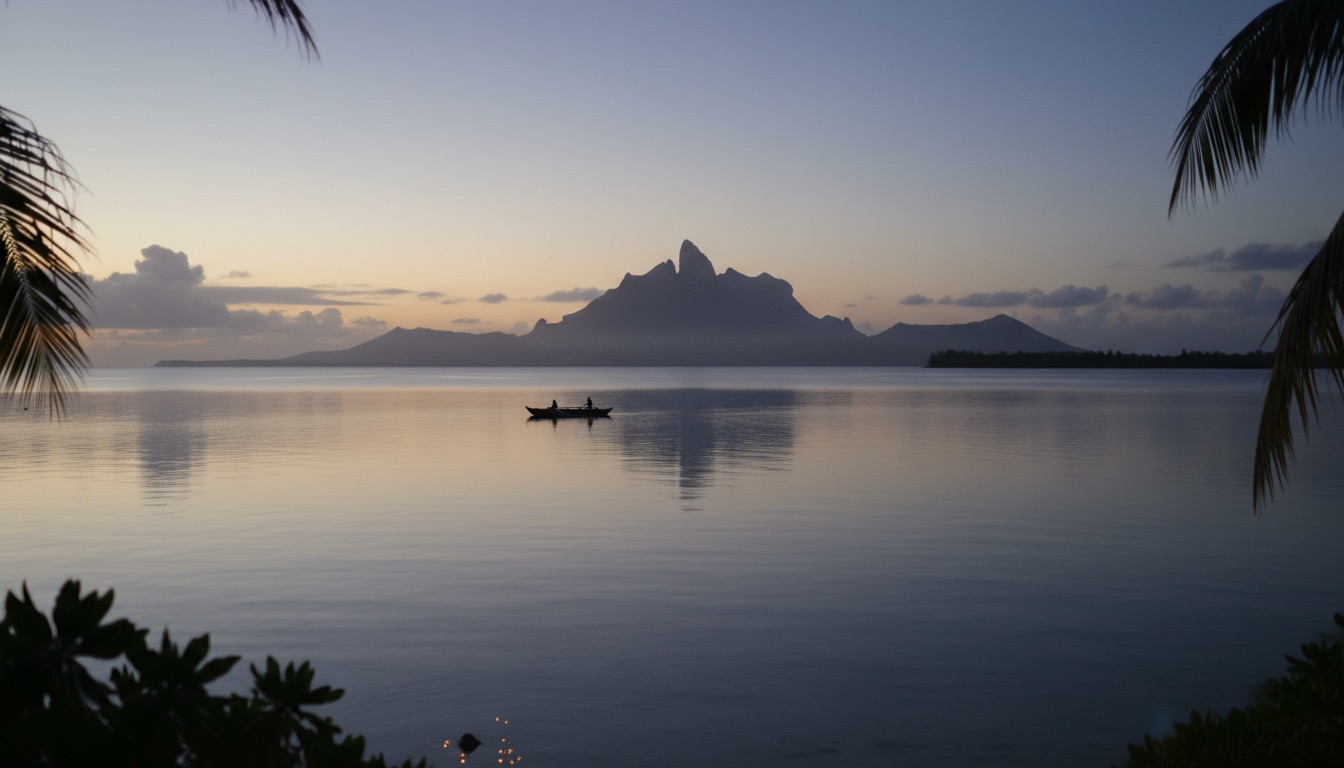
Humpbacks arrive to calve in the warm channels. Boats keep respectful distance, and on still nights their song carries through the water into the stilts of the bungalows.
May, June, September, or October: full dry-season weather either side of the July-August crest. August is the classic pick if you want whales and peak-season polish together.
August to early November, when humpbacks calve in French Polynesia’s warm, protected waters. September and October are the most reliable months.
Not for value hunters. December to March runs hotter and more humid with short heavy showers, but the lagoon stays warm and calm and villa rates drop noticeably outside the festive weeks.
The overwater villas facing Otemanu are counted in dozens, not hundreds, and the dry-season weeks go first. Pick your month, then secure the villa while the good ones are still open.
See live luxury stays in Bora Bora