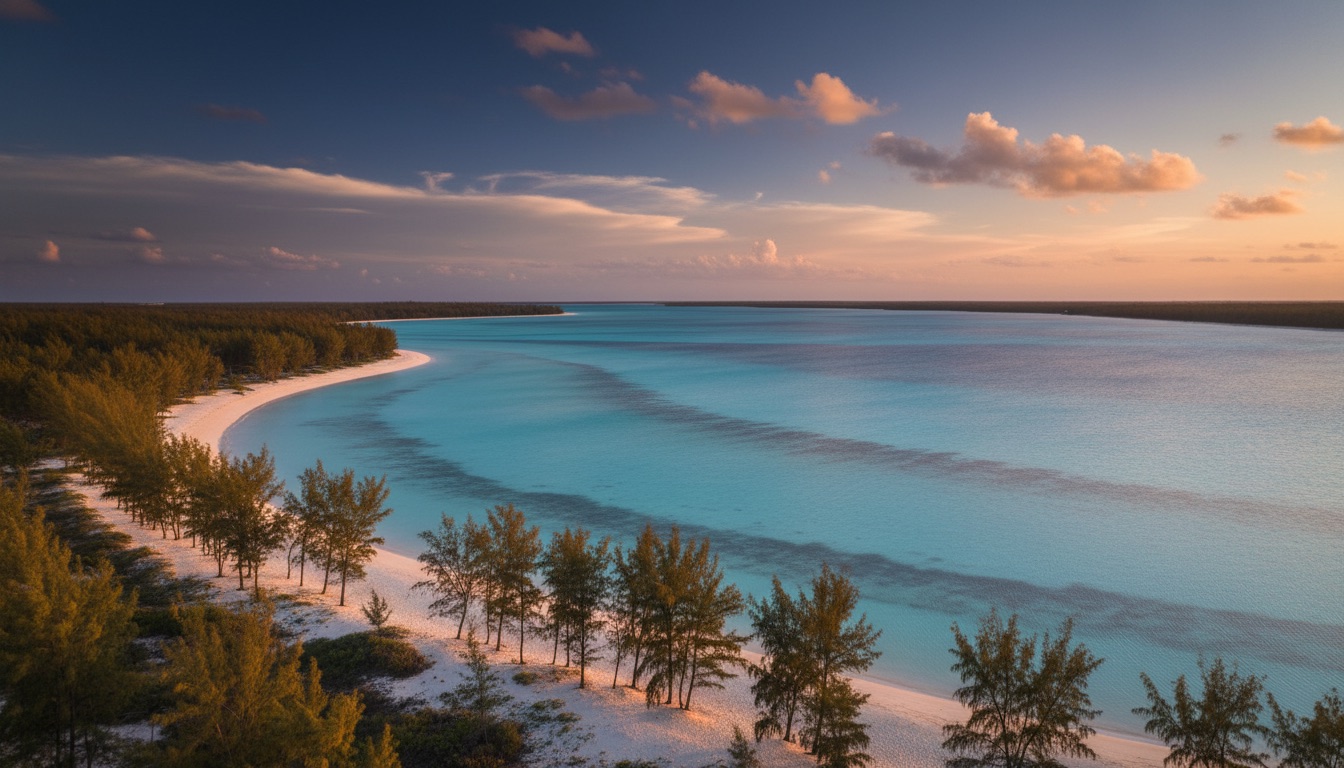
May – October
The dry winter
The austral winter is the island at its most comfortable: mid-20s sunshine, low humidity, calm leeward beaches in the west, and humpbacks passing offshore from July.

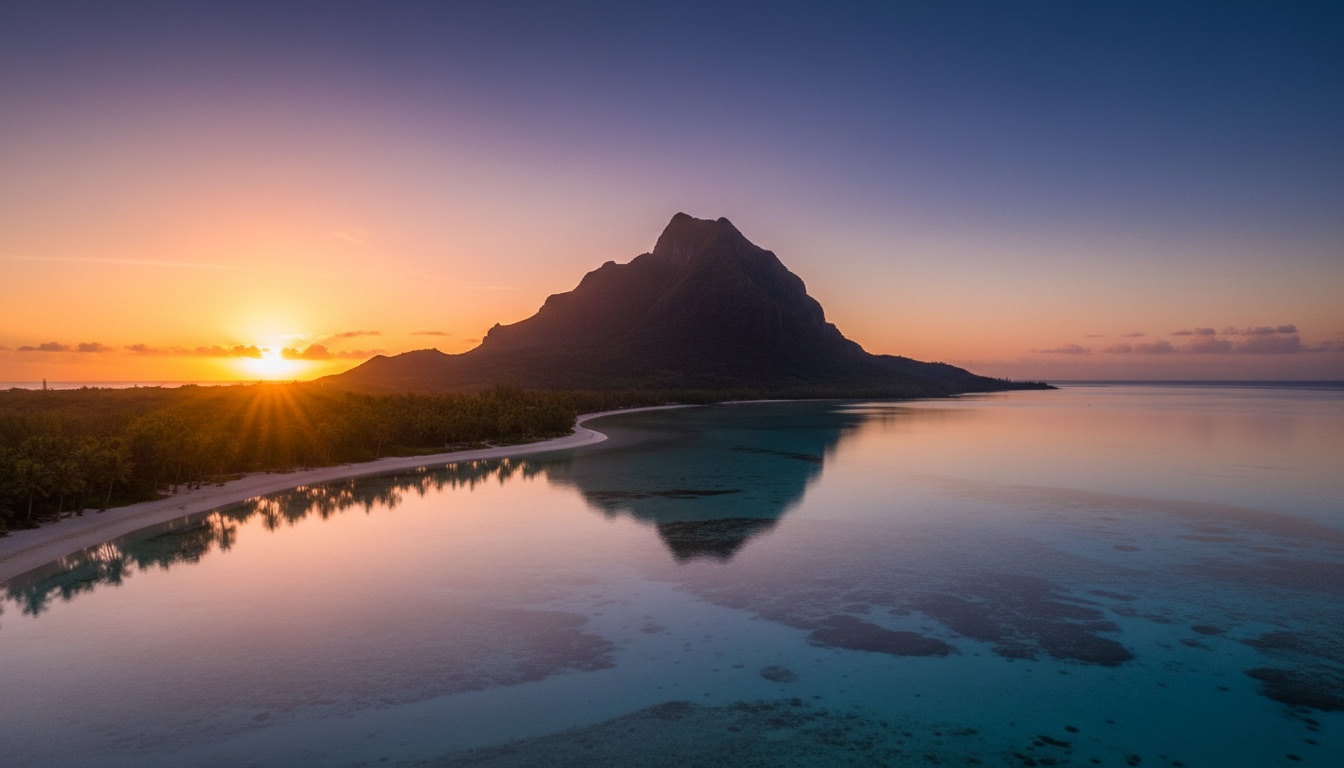
Every other guide hands you an average temperature and a shrug. This one makes the call: the right month for the trip you actually want.
Mauritius flips the calendar: its winter is May to October, dry and mild; its summer is November to April, hot, green, and occasionally stormy. The months where they meet are the island’s best-kept secret. Start with what you came for, then tap it below.
One row per month. The lagoon swims well all year; what changes is humidity, wind side, and how hard the festive weeks squeeze the rates.
| Month | Daylight | Avg high | Crowds | Price | Why go |
|---|---|---|---|---|---|
| Jan | ~8h sun | 30°C | High | High | Hot lush summer, festive tail, cyclone watch begins |
| Feb | ~7h sun | 30°C | Moderate | Mid | Warmest sea, mangoes, highest storm odds |
| Mar | ~7h sun | 29°C | Moderate | Mid | Summer easing, sea still bath-warm |
| Apr | ~8h sun | 28°C | Moderate | Mid | Golden transition: calm, warm, drying out |
| May | ~8h sun | 26°C | Moderate | Mid | Dry winter begins, superb hiking weather |
| Jun | ~7h sun | 24°C | Moderate | Mid | Mild and dry, west coast in its calm lee |
| Jul | ~7h sun | 23°C | High | High | Coolest month; first humpbacks offshore |
| Aug | ~7h sun | 23°C | High | High | Whales, breezy southeast, European holidays |
| Sep | ~8h sun | 24°C | Moderate | Mid | Warming again, whales linger, great value |
| Oct | ~8h sun | 26°C | Moderate | Mid–High | Flamboyant trees bloom, ideal all-rounder |
| Nov | ~8h sun | 28°C | Building | Mid–High | Early summer warmth without the storms |
| Dec | ~8h sun | 29°C | Peak | Holiday spike | Festive season: hot, bright, premium rates |
The best time to visit Mauritius is October: dry, warming, flamboyant trees in bloom, sea already back to 26 degrees, and rates still pre-festive. The wider truth is that the island’s shoulder months, April to June and September to November, consistently beat both peaks, taking winter’s reliability and summer’s warm sea at a lower price.
Remember the hemisphere flip: Mauritian winter is May to October (mild, dry, 23 to 26 degrees), summer is November to April (hot, green, humid). Neither is remotely cold.
No, it just asks for honesty. January to March carries the island’s highest, still modest, chance of cyclonic weather; direct hits are rare and resorts are engineered for it, but a summer trip should carry flexible expectations and travel insurance. In exchange, summer offers the warmest lagoon of the year, mango and lychee season, and waterfalls at full power.
Travellers who want zero weather risk should simply book May to November and be done with the question.
Yes, more than most visitors expect. In winter the southeast trades blow steadily, so the west and north coasts (Flic en Flac to Grand Baie) hold the calm, dry lee, and Le Morne in the southwest becomes a world-class kitesurf arena. In summer the winds relax and the wilder east coast (Belle Mare’s long beaches) comes into its own.
Whale watching adds one more variable: humpbacks pass July to September off the west coast, exactly where winter guests are already staying.
The austral winter is the island at its most comfortable: mid-20s sunshine, low humidity, calm leeward beaches in the west, and humpbacks passing offshore from July.
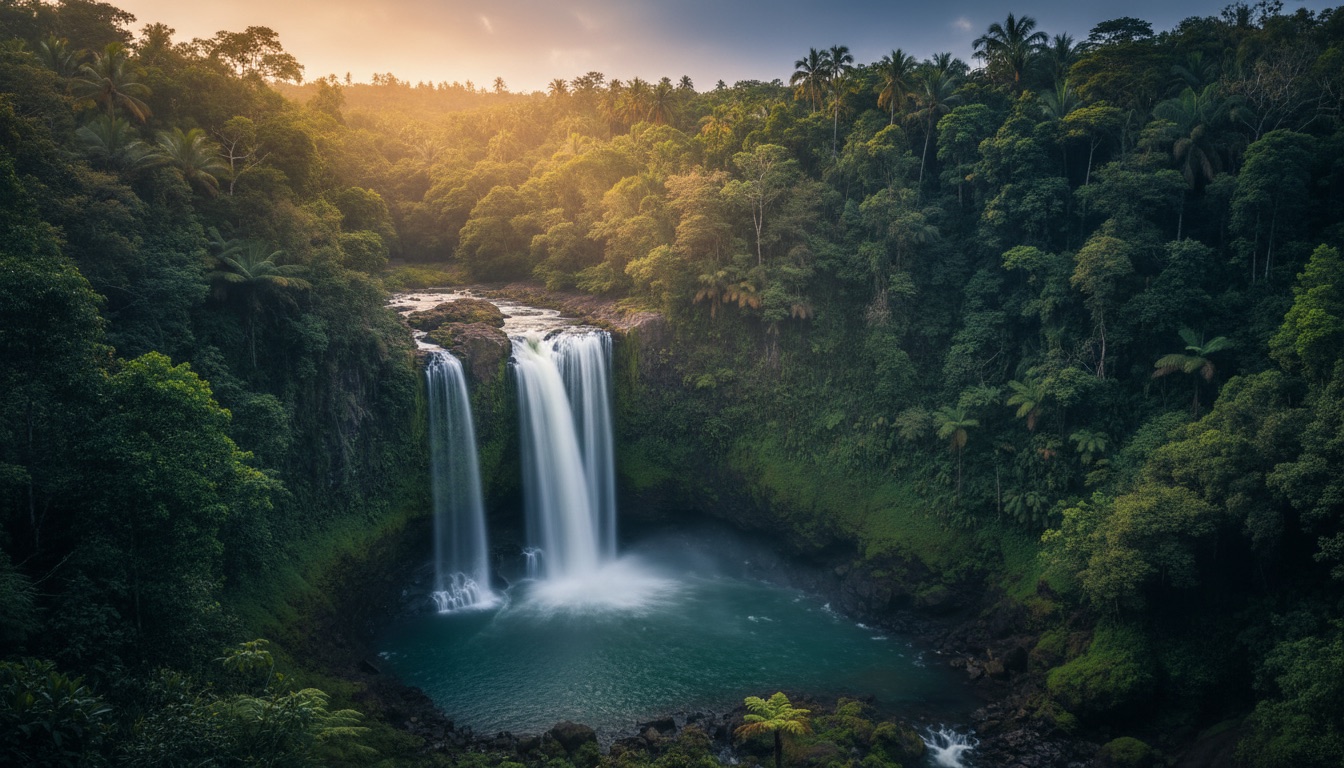
The island turns tropical: 29-degree water, waterfalls at full power, mango and lychee season. Storms are brief; only January to March needs a weather eye.

The quietly perfect months: winter’s reliability with summer’s warm sea, flamboyant trees in bloom by November, and the grand beach hotels a full rate tier below their peaks.
October is the great all-rounder: dry, warming, flamboyant trees in bloom, and pre-festive rates. May, June, and September offer the same shoulder value on the other side of winter.
January to March carries the highest (still modest) risk of cyclonic weather. Resorts are built for it and direct hits are rare, but travellers wanting zero weather risk should aim for May to November.
The west and north are calmest and driest in winter (May to October), with Le Morne’s lagoon in the southwest. The east coast is glorious in summer but catches the southeast trades in winter.
The grand beach hotels here hold their best suites for the festive weeks first. Pick your month, then secure the room while the good ones are still open.
See live luxury stays in Mauritius